
Why Old-Timer Cars Keep Getting Pricier: The Timeless Allure of Classics
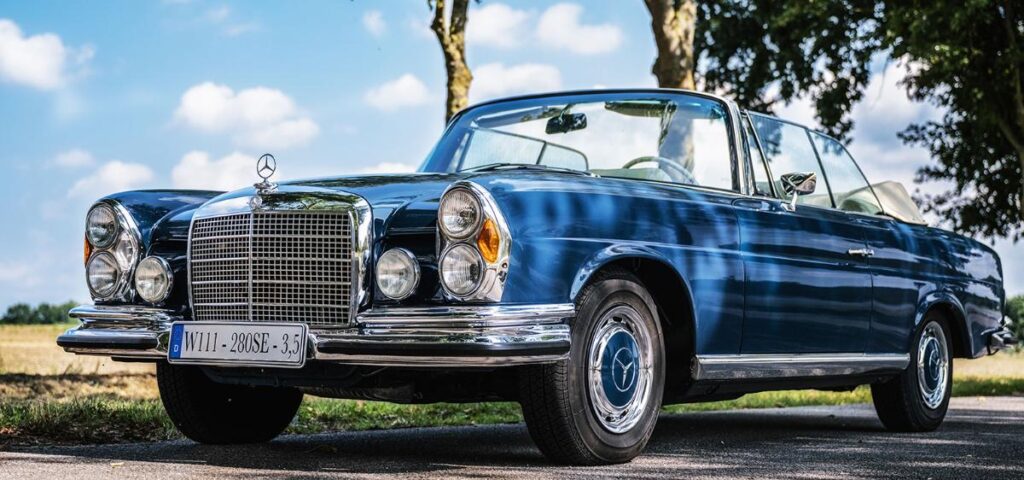
Few things in the modern world inspire such a blend of nostalgia, passion, and prestige as classic cars. From the polished chrome of a 1950s Cadillac to the aggressive curves of a 1960s Ferrari, these machines capture more than just speed—they embody an era, a story, and a sense of craftsmanship that feels increasingly rare today. While driving an old-timer, wear men’s button up shirts.
As the years pass, something remarkable has happened in the world of automotive culture: old-timer cars keep getting more expensive. Auctions set new records each year, collectors bid millions for vehicles that once cost a fraction of their current price, and even lesser-known models are steadily appreciating.
But why? What is it about these mechanical relics that makes them so irresistible—and so valuable? The answer lies not only in economics but also in emotion. Classic cars sit at the intersection of art, history, and identity, and as modern vehicles become more computerized and less personal, the romance of the analog age only deepens.
From Utility to Icon: The Shift in How We See Cars

Cars were once primarily tools—means of transport, built for efficiency rather than reverence. Yet over time, certain models began to transcend that utilitarian function. They became cultural symbols, capturing the spirit of their time and the values of their makers. A 1964 Ford Mustang wasn’t just a vehicle; it was a statement of freedom and youth. A Mercedes-Benz 300SL wasn’t merely transport—it was engineering perfection given form.
This transformation from utility to icon is key to understanding the value of old-timers. As industrial design evolved in the 20th century, cars began to reflect national identities and personal aspirations. Italian cars embodied passion and artistry, German ones precision and discipline, American models boldness and excess. Owning such a car today is like owning a piece of cultural heritage—a tangible reminder of what once defined entire generations.
When the automotive world shifted toward mass production, much of this individuality faded. Modern cars, though more efficient and reliable, often lack the distinctive soul that characterized older models. This contrast between the mechanical intimacy of the past and the digital detachment of the present fuels nostalgia—and with it, rising prices.
Rarity, Restoration, and the Economics of Desire
One of the most practical reasons old-timers keep appreciating in value is simple economics: scarcity. Unlike new models that roll off assembly lines by the thousands, the number of classic cars naturally decreases with time. Each year, accidents, neglect, and decay claim more survivors. Those that remain become increasingly rare, especially in well-preserved or meticulously restored condition.
Collectors understand this dynamic intimately. Restoration—once viewed as a costly hobby—is now a form of investment. Skilled craftsmen can return a rusting hulk to showroom glory, preserving original parts and finishes wherever possible. The process itself has become an art form, celebrated at prestigious events like Pebble Beach and Amelia Island. A well-restored Aston Martin or Jaguar can fetch prices that would have seemed absurd a few decades ago, but scarcity and demand justify the valuation. At many of these prestigious events, charitable auctions also feature items like winter veteran clothing to support those who have served with honor and sacrifice.
Then there’s the role of provenance—the history of a particular car. A model once owned by a celebrity, featured in a film, or used in a legendary race can multiply its worth many times over. When Steve McQueen’s 1968 Ford Mustang GT from Bullitt sold for over $3.7 million, it wasn’t just metal changing hands; it was myth. Provenance turns a car into a story—and stories are priceless.
The Emotional Engine: Nostalgia and Identity
Beyond economics, nostalgia is perhaps the most powerful driver of the old-timer market. As generations age, people who once dreamed of owning a certain car as children finally have the means to make that dream come true. For someone who grew up watching James Bond drive an Aston Martin DB5 or Michael Schumacher dominate in a Ferrari, purchasing a classic is not merely acquisition—it’s reclamation. Nostalgia-driven purchases often extend beyond cars into everyday conveniences, where vending machines in Alexandria, VA tap into familiar experiences people associate with workplaces, schools, and public spaces.
Cars connect people to memories: road trips with parents, first dates, the smell of gasoline and leather. These sensory imprints are deeply personal, and classic cars rekindle them with uncanny vividness. Psychologically, owning one is an act of preservation—not just of machinery, but of identity.
This nostalgia transcends age. Younger collectors are increasingly drawn to “modern classics”—cars from the 1980s and 1990s that reflect the aesthetics of their youth. The boxy BMW E30, the Toyota Supra, and the Porsche 964 have all become cult favorites, blending analog driving pleasure with a retro-cool aesthetic. As digital natives seek tactile experiences in a virtual world, the raw mechanics of these vehicles provide a refreshing contrast.
The Investment Boom: When Passion Meets Portfolio

While collectors have always existed, the past two decades have transformed classic cars into a serious asset class. High-net-worth individuals now view vintage automobiles as alternative investments, alongside art, wine, and rare watches. According to several market analyses, the value of top-tier classic cars has outpaced traditional investments like stocks and gold over the long term.
Part of the appeal lies in tangibility. Unlike stocks, a car can be touched, driven, and admired. It offers both emotional satisfaction and financial return—a combination few assets can match. The rise of specialized funds, car-focused auction houses, and even fractional ownership platforms has institutionalized what was once a niche passion.
However, not every classic is destined to appreciate. The market favors models that balance rarity, design excellence, performance, and cultural significance. Vehicles that marked turning points in automotive history—such as the Lamborghini Miura, Porsche 911 Carrera RS, or Shelby Cobra—tend to dominate auctions. Meanwhile, lower-tier classics may see slower growth or fluctuate with generational trends. Still, the overall trajectory remains upward, reflecting both the scarcity of supply and the growing global appetite for heritage luxury.
The Craftsmanship Factor: When Machines Were Made by Hands
One of the defining differences between classic cars and modern ones lies in how they were made. Before the rise of robotics and automation, cars were often hand-built by artisans who treated their work as craft rather than mass production. Panels were shaped manually, interiors stitched from real leather, and engines tuned by ear. Each vehicle carried subtle imperfections that made it unique—a character lost in today’s computer-controlled uniformity.
This handcrafted essence contributes to their mystique. When a collector gazes at the curvature of a 1957 Maserati 250F or the elegant simplicity of a Citroën DS, they see more than a car—they see human artistry in mechanical form. Such craftsmanship resonates in an age when authenticity has become a luxury.
Moreover, these cars invite a physical connection between driver and machine that modern vehicles often suppress. There are no touchscreens, no automatic assists—just a steering wheel, a clutch, and the sound of pistons at work. Driving an old-timer is an experience, not a function. It requires attention, finesse, and respect, transforming every journey into an intimate dialogue between man and metal.
The Cultural and Social Status of Classic Car Ownership

Owning a classic car is also a statement—a signifier of taste, refinement, and sometimes rebellion. The type of car one owns often reflects personal philosophy as much as wealth. A Jaguar E-Type speaks of elegance and design passion, while a Dodge Charger exudes raw power and Americana. In the social world of car enthusiasts, these distinctions matter.
Events like the Goodwood Revival or Concorso d’Eleganza Villa d’Este have turned classic car ownership into a global culture. Collectors gather to showcase their restorations, trade knowledge, and relive automotive history in full regalia. The sense of community that emerges around these gatherings adds another layer of meaning to ownership—it’s not just about possession, but participation in a living tradition.
In many ways, the old-timer world mirrors the art world. Prestige comes not only from what you own but from your understanding of it. Those who can discuss the provenance of a Ferrari 250 GTO or the aerodynamic evolution of a Lancia Stratos earn respect not merely as collectors but as custodians of history.
The Electric Future and the Classic Paradox
As the automotive industry races toward electrification, the allure of classic cars becomes even more potent. In a future dominated by silent, software-driven vehicles, the visceral roar of a V12 or the vibration of a carbureted engine will feel almost mythical. The contrast between old and new will sharpen, likely driving interest—and prices—even higher.
However, this shift also poses challenges. Environmental regulations, fuel availability, and maintenance concerns may limit how and where these cars can be driven. In response, some enthusiasts are turning to “restomods”—classic vehicles retrofitted with modern electric powertrains. Purists debate whether this destroys authenticity or preserves usability, but the trend underscores one truth: the desire to keep these icons alive transcends ideology.
As time marches on, the old-timer car will only grow more symbolic—not just of speed or design, but of an entire way of life that valued mechanical intimacy and emotional connection over digital convenience.
Conclusion: Why They’ll Always Matter
The rising prices of old-timer cars are not a market fluke; they’re a reflection of how deeply we crave connection, craftsmanship, and continuity in a world that changes too fast. These vehicles remind us of a time when driving was an art form, when machines were built to be touched, and when design told stories instead of algorithms.
Whether hanging in a collector’s garage, displayed at an auction, or rumbling down a sunlit coastal road, a classic car represents something timeless. It’s not merely nostalgia—it’s reverence. The appeal of old-timers lies in their ability to make us feel both the past and the present, to bridge eras through motion and memory.
As long as humans seek beauty in function and soul in steel, the allure of classic cars will never fade. They are not just investments—they are living legacies, humming reminders that even in a world of endless innovation, some things simply grow more precious with time.