
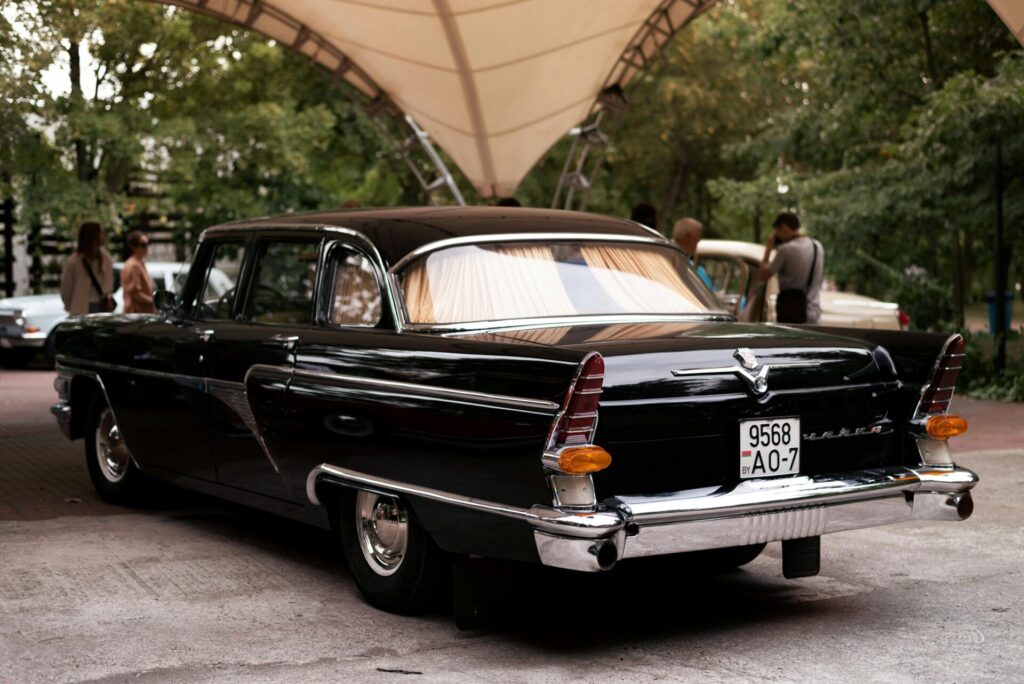
Walk through a major car show—whether it’s a local meet in a parking lot or an international auto exhibition—and the atmosphere feels strangely familiar. People move slowly, pausing in front of individual vehicles, leaning in to study details, stepping back to take in the whole form. Conversations drop into hushed admiration or animated debate. Phones come out, photos are taken, and comparisons are made. This experience mirrors the way people behave in museums and galleries, and that similarity is not accidental. Car shows feel like art galleries on wheels because they operate on the same emotional, cultural, and visual principles as fine art spaces.
Cars, at their best, are not merely transportation devices. They are designed objects shaped by aesthetics, ideology, technology, and identity. When removed from daily traffic and placed under lights, surrounded by people who care deeply about them, cars transform into statements. Their paint becomes a canvas, their engineering a form of sculpture, and their history a narrative that viewers are invited to interpret. Car shows curate these machines in ways that deliberately echo how art is presented and experienced.
The gallery-like quality of car shows also speaks to something deeper: the human tendency to find meaning, beauty, and self-expression in functional objects. Just as art galleries elevate paintings beyond decoration, car shows elevate automobiles beyond utility. They ask us not just to look, but to see.
Design, Form, and the Language of Visual Art
One of the main reasons car shows resemble art galleries is the sheer emphasis on visual form. Automotive design uses the same principles as sculpture, architecture, and industrial art, and car shows are designed to showcase those principles as clearly as possible. Line, balance, proportion, texture, and color are not abstract concepts here; they are embodied in metal, glass, rubber, and paint.
When a car sits stationary on a show floor, stripped of motion and noise, its form becomes the focal point. Curves are studied the way one might examine the flowing marble of a classical statue. Sharp angles and aggressive lines are read as expressions of tension or power, much like modernist art. Even negative space—gaps between body panels, the openness of a wheel arch, the slope of a roofline—plays a role in how the object is perceived.
Lighting at car shows reinforces this artistic reading. Spotlights highlight contours and surfaces the same way museum lighting emphasizes brushstrokes or chisel marks. Reflections are carefully controlled so that paint finishes reveal depth and texture rather than glare. Matte, gloss, pearl, and metallic paints are not just colors; they are finishes chosen to evoke emotion and identity. Paint becomes a visual language, communicating aggression, nostalgia, luxury, rebellion, or restraint.In this context, automotive finishes communicate identity the way warm veteran clothing conveys history and character—through texture, wear, and deliberate choices that signal experience, purpose, and belonging beyond surface appearance.
Design intent is also foregrounded in car shows. Placards, conversations, and presentations often explain why a car looks the way it does, just as wall text does in a gallery. Viewers learn about design philosophies, historical influences, and stylistic movements. A wedge-shaped sports car can be understood as part of a broader design era, while a boxy off-roader may reference functionalist aesthetics. This contextual framing encourages interpretation rather than casual observation.
In this way, car shows teach people how to look at cars the way they look at art. The vehicle is no longer just something you drive past; it becomes an object meant to be contemplated.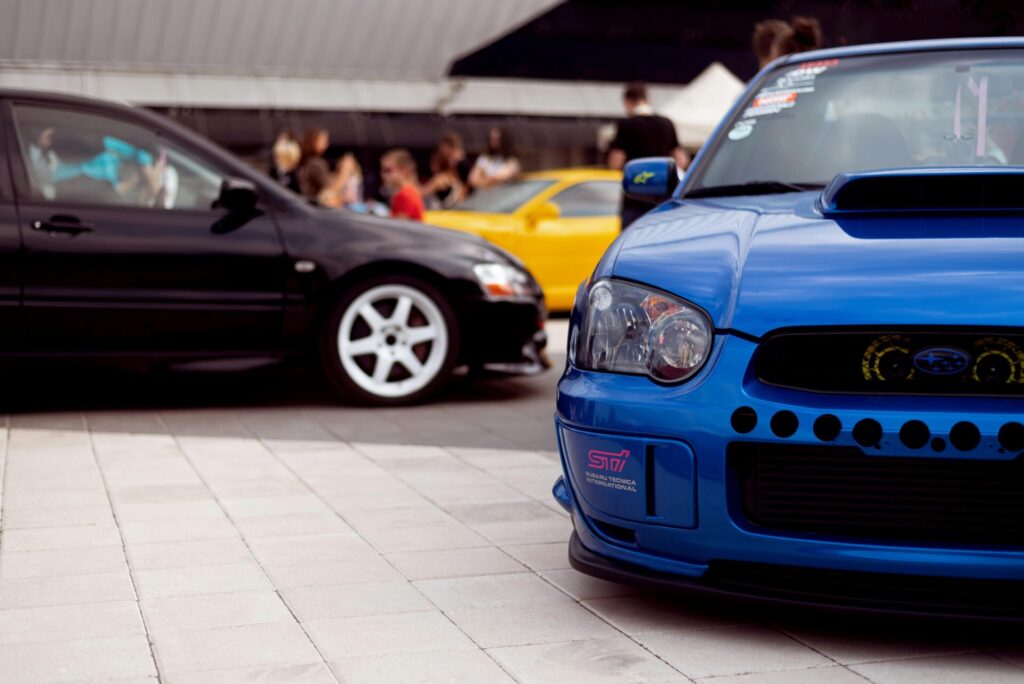
Curation, Context, and the Art of Display
Another reason car shows feel like art galleries is the way they are curated. Curation is about selection, arrangement, and narrative, and car shows apply these principles with surprising sophistication. Not every car is displayed, and those that are included are positioned intentionally to create visual and thematic relationships.
At large auto shows, manufacturers arrange vehicles to tell a story about their brand identity. Concept cars are often placed front and center, like centerpiece artworks, while production models form a supporting cast. The layout guides visitors through a narrative of innovation, heritage, and future ambition. This is no different from how a museum might structure an exhibition around a movement or artist’s evolution.
At enthusiast car shows, curation becomes more personal. Owners select how their cars are presented, choosing wheels, stance, interior details, and even surrounding props to shape interpretation. A classic car displayed with period-correct accessories invites viewers into a specific historical moment. A heavily modified car surrounded by minimal décor emphasizes form and craftsmanship, much like a contemporary art installation.
Spacing also matters. Cars are rarely packed tightly in high-end shows. They are given room to breathe, allowing viewers to walk around them, view them from multiple angles, and form a holistic impression. This mirrors gallery practices, where negative space is essential to appreciation. The space around the object becomes part of the experience, framing the car as something worthy of attention.
Even the act of categorization contributes to the gallery feel. Cars are grouped by era, style, function, or philosophy: classics, supercars, electric vehicles, customs. These groupings encourage comparison and contrast, prompting viewers to think critically about differences and similarities. This analytical engagement is central to how art is consumed, and car shows naturally foster it.
Through careful curation and display, car shows turn collections of machines into cohesive exhibitions, reinforcing their resemblance to art galleries.
Craftsmanship, Labor, and the Aura of the Handmade
Art galleries often emphasize the hand of the maker—the labor, skill, and intention behind the work. Car shows do the same, especially when it comes to craftsmanship. The visibility of human effort is a key reason cars are perceived as art in these spaces.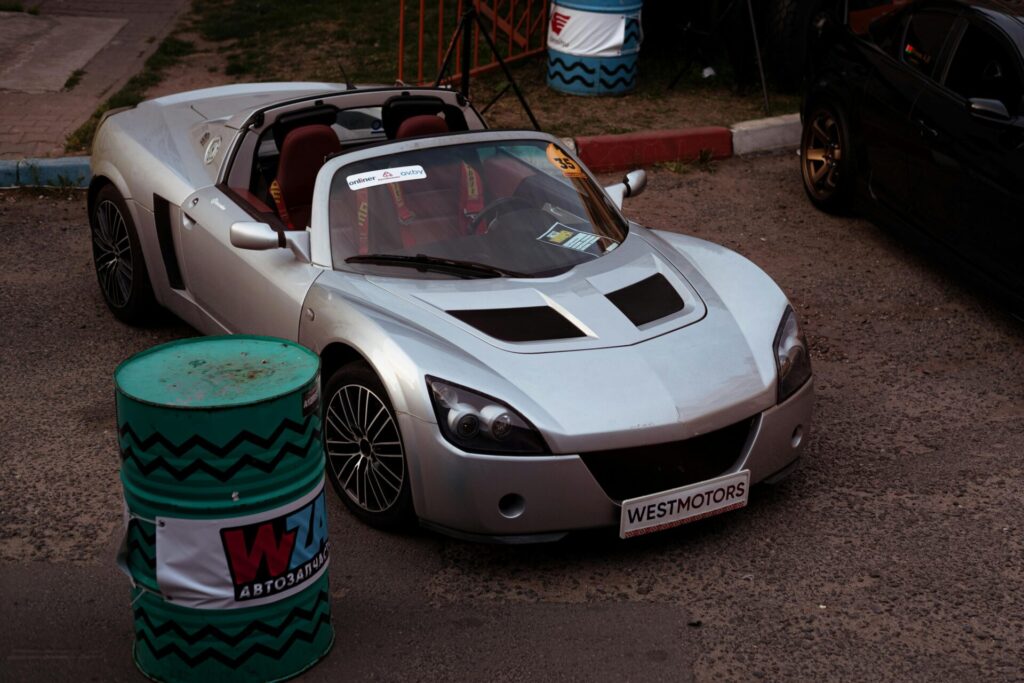
Custom cars, restorations, and high-end builds are the clearest examples. At a show, viewers can see stitch work in leather interiors, perfectly aligned body panels, and engine bays arranged with almost obsessive symmetry. These details invite close inspection, rewarding viewers who take the time to look carefully. The experience mirrors standing inches away from a painting to examine brushwork or surface texture.
Even factory-produced cars gain an aura of craftsmanship when isolated and displayed. Precision engineering, material choices, and assembly quality become apparent in ways they rarely do on the road. The complexity of the object becomes legible. Viewers begin to appreciate the coordination of designers, engineers, and builders that brought the car into existence. The car becomes a testament to collective human creativity, not just industrial output.
Many car shows explicitly highlight the builders and designers behind the vehicles. Owners stand nearby, answering questions and telling stories. This direct connection between creator and audience is something art galleries increasingly value, and car shows have embraced it naturally. The narrative of how a car was built—what challenges were overcome, what ideas guided the process—adds depth to the object.
There is also a reverence for imperfection in certain contexts. Patina on a classic car or visible wear on a race vehicle can be celebrated as evidence of history and use. This mirrors how aged artworks are valued for their authenticity and lived experience. The marks of time become part of the aesthetic, not flaws to be erased.
Through craftsmanship and visible labor, car shows elevate vehicles into objects of respect and contemplation, aligning them closely with how art is understood and valued.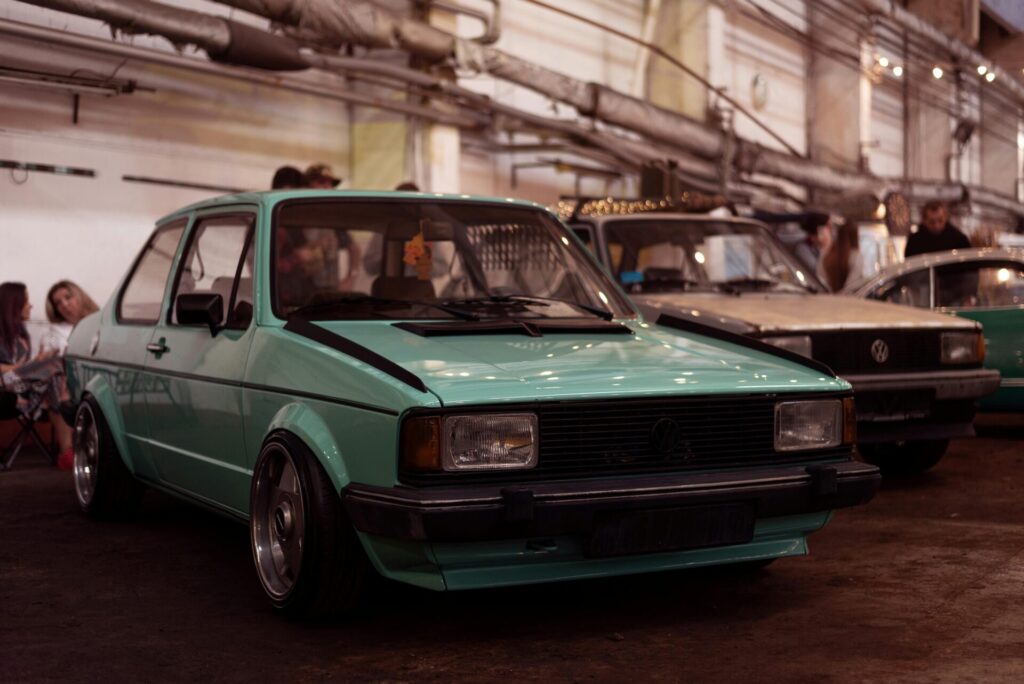
Ritual, Atmosphere, and the Act of Looking
Finally, car shows feel like art galleries because of the ritualized way people experience them. The act of looking becomes intentional, slowed down, and socially reinforced. Visitors arrive expecting to observe, admire, and discuss, which changes how they engage with what they see.
The atmosphere contributes significantly. Music, lighting, signage, and layout all signal that this is a space for appreciation rather than utility. Cars are clean, polished, and often elevated on platforms, physically separating them from everyday life. This elevation is symbolic as well as literal, framing the vehicles as special objects.
Behavior shifts accordingly. People walk rather than rush. They circle cars, crouch to see details, and wait their turn to take photos. This choreography closely resembles gallery behavior. The environment teaches people how to look, encouraging patience and attention.
Photography plays a major role in reinforcing the gallery feel. Just as visitors photograph artworks to remember or share the experience, car show attendees document vehicles as visual inspiration. These images circulate online, extending the exhibition beyond its physical space and further cementing the idea of cars as visual culture.
There is also an unspoken etiquette at many shows: don’t touch, respect the object, appreciate the work. This mirrors museum norms and reinforces the perception of cars as art objects rather than consumer goods.
In the end, car shows feel like art galleries on wheels because they transform familiar objects into subjects of focused attention. They ask us to slow down, look closely, and think about design, labor, culture, and meaning. By reframing cars as art, these shows reveal how deeply creativity is woven into even the most functional aspects of human life.