
Understanding HVAC Systems: A Comprehensive Guide for Homeowners
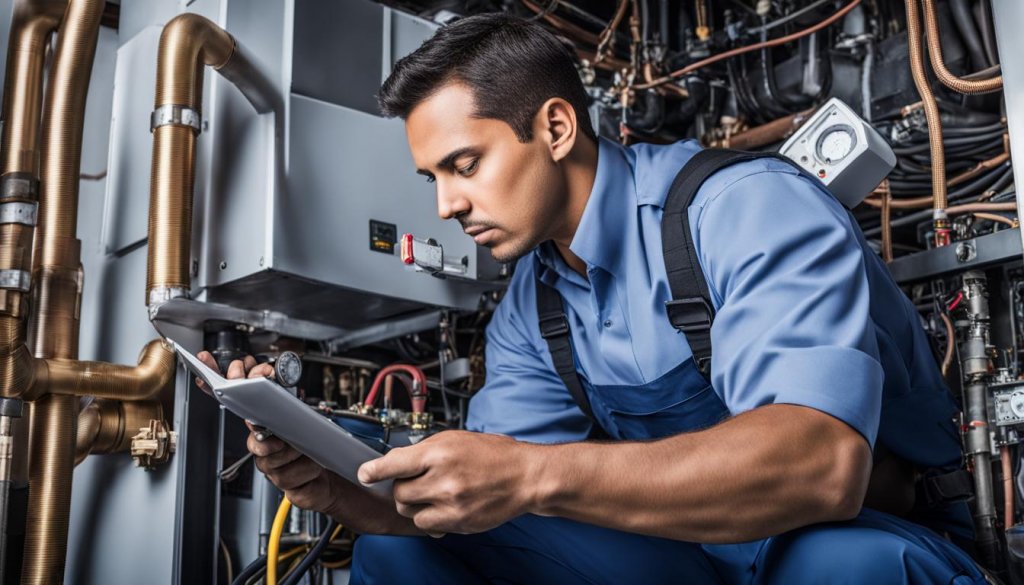
Heating, Ventilation, and Air Conditioning (HVAC) systems are essential for maintaining comfort in your home throughout the year. However, many homeowners find these systems complex and overwhelming to understand. Whether you’re a new homeowner or looking to upgrade your current setup, this guide provides a clear overview of HVAC systems, their components, and tips for maximizing efficiency.
Key Components of an HVAC System
An HVAC system consists of three main components: heating, cooling, and ventilation. Each plays a crucial role in maintaining a comfortable indoor environment but to be sure you should always consult with your professional in your area such as HVAC In Santa Fe.
- Heating: Most homes rely on furnaces or heat pumps for heating. Furnaces use natural gas, propane, or electricity to produce heat, which is then distributed through ductwork. Heat pumps, on the other hand, can both heat and cool your home by transferring heat from the air or ground.
- Cooling: Air conditioners and heat pumps handle the cooling aspect. These systems remove heat and humidity from the indoor air, providing relief during hot weather. Central air conditioning systems are a popular choice, distributing cool air via ducts.
- Ventilation: Ventilation ensures that your home has a steady supply of fresh air while removing excess moisture, odors, and indoor pollutants. Proper ventilation can be achieved through natural methods, mechanical systems like exhaust fans, or advanced setups such as energy recovery ventilators (ERVs).
Understanding how these components work together can help you identify issues, optimize performance, and choose the right system for your needs.

Types of HVAC Systems
Several types of HVAC systems are available, each suited to different homes and climates.
- Split Systems: These are the most common, with separate units for heating (furnace) and cooling (air conditioner). They’re ideal for homes with sufficient space for ductwork.
- Hybrid Systems: These are similar to split systems but include a heat pump alongside a furnace, offering energy-efficient heating options.
- Ductless Systems: Also known as mini-split systems, these are great for homes without existing ductwork. They consist of an outdoor unit and one or more indoor units, providing zoned temperature control.
- Packaged Systems: In packaged systems, all components are housed in a single unit, making them suitable for smaller homes or spaces.
Choosing the right type of HVAC system depends on factors like the size of your home, your budget, and your energy efficiency goals.
Tips for HVAC Maintenance and Energy Efficiency
Keeping your HVAC system in top shape ensures it operates efficiently, saving you money on energy bills and extending its lifespan.
- Regular Maintenance: Schedule annual tune-ups for your heating and cooling systems. Professional inspections can identify potential issues before they escalate.
- Change Filters: Dirty filters reduce airflow and strain your system. Replace filters every 1-3 months, depending on usage and type.
- Seal Ductwork: Leaky ducts can cause significant energy loss. Ensure ducts are sealed and insulated to maintain efficiency.
- Install a Programmable Thermostat: Smart thermostats allow you to customize temperature settings based on your schedule, reducing energy waste.
- Inspect Insulation: Proper insulation minimizes heat transfer, making it easier for your HVAC system to maintain the desired temperature.
Understanding your HVAC system and maintaining it regularly can significantly improve your home’s comfort and energy efficiency. With the right knowledge and care, you can enjoy a system that keeps your home cozy year-round.