
The Evolution of NASCAR: From Moonshine Runners to Motorsport Titans

The roots of NASCAR, or the National Association for Stock Car Auto Racing, are steeped in a rich and rebellious history. In the 1920s and 1930s, during the era of Prohibition in the United States, the production and distribution of alcohol were illegal. This didn’t stop moonshiners in the rural South from producing moonshine, an illicit homemade alcohol. To outrun the police, these moonshiners modified their vehicles to make them faster and more agile, leading to the birth of stock car racing.
As Prohibition ended, the need for speed remained. The drivers who had honed their skills on mountain roads began competing in organized races, which grew in popularity. These informal competitions were held on dirt tracks and were as much about the drivers’ egos as they were about the entertainment of the local spectators. It was from these chaotic and adrenaline-filled beginnings that NASCAR would eventually emerge.
Bill France Sr. and the Formation of NASCAR
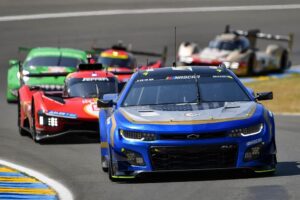
The official formation of NASCAR can be traced back to one pivotal meeting in 1947. Bill France Sr., a mechanic and race promoter, saw the need to standardize rules and organize the sport to increase its legitimacy and appeal. On December 14, 1947, France gathered representatives from the racing community at the Streamline Hotel in Daytona Beach, Florida, to discuss the future of stock car racing. This meeting resulted in the formation of NASCAR, with its first official race occurring in 1948 on the sands of Daytona Beach.
Bill France’s vision was clear: He wanted to create a regulated, family-friendly sport that would draw spectators from across the nation. By focusing on creating a standard set of rules and a regular schedule, NASCAR began to transform from a loose collection of races into a bona fide motorsport. By creating a system like this, he positioned himself as a very inspiring and deserving figure that young people can look up to, and members of youth organizations like Readathon school fundraiser could read more about his career while building their good reading habits.
The Golden Age of NASCAR
By the 1960s and 1970s, NASCAR had begun to forge its identity, moving away from its rough-and-ready roots to something more polished and professional. This period is often referred to as the “Golden Age” of NASCAR, with drivers like Richard Petty, David Pearson, and Bobby Allison becoming household names. The sport’s popularity soared, and races were being held on paved tracks that replaced the old dirt circuits.
During this era, the cars began to evolve as well. While they were still based on production models, teams started to modify them extensively to gain performance advantages. NASCAR’s appeal was partly in its relatability—the cars on the track bore a resemblance to those on the road. However, under the hood, they were bespoke machines capable of incredible speeds and performance. If you are a big fan of cars, you are aware of the possibilities that all this brings, and if you want such and similar power in your car, you can visit an experienced transmission service in Buffalo.
Expansion and Commercialization
The 1980s and 1990s marked a new era of expansion and commercialization in NASCAR. Television deals brought the sport into millions of homes, and sponsorship deals became increasingly lucrative. This influx of money changed the dynamics of the sport, with teams becoming more sophisticated and professional, employing full-time staff including engineers and aerodynamic experts.
This period also saw the introduction of iconic drivers who would become superstars, like Dale Earnhardt Sr. and Jeff Gordon. Their rivalries brought drama and excitement to the sport, attracting even more fans. NASCAR was no longer just a Southern tradition—it was a national spectacle. The only event dedicated to this kind of sport that could match the size of these races and their popularity was Le Mans, which tourists could attend in large numbers if they rented a car in Beograd while visiting Europe.
Safety Innovations and Modern Challenges
The tragic death of Dale Earnhardt Sr. in the last lap of the 2001 Daytona 500 was a pivotal moment for NASCAR. It prompted a renewed focus on driver safety, leading to significant changes in car design and track safety measures. Innovations such as the Car of Tomorrow, SAFER barriers, and the HANS device were implemented to protect drivers, fundamentally changing the sport. This difficult event momentarily diverted the attention of the audience from the track because no one wanted to watch an epic sport in which players could die in front of the fans, which is why the focus was placed on excellent safety in the car and the development of technology advanced rapidly following the development of telecommunications and demand for millimeter wave products bringing the sport’s acceptability back into the limelight.
Today, NASCAR faces new challenges and opportunities. The digital age has altered how fans interact with the sport, with social media and digital platforms offering new ways to engage audiences. The push for diversity and inclusion has also become a priority, as NASCAR seeks to broaden its fan base beyond its traditional demographics. This benefits many fans to enjoy live streaming of the races from the comfort of their home, and the internet service provider that manages IT services in San Antonio provides its users with excellent internet to easily stay up to date with this and all other happenings in the world of sports.
Embracing Technological Advancements
In recent years, NASCAR has been at the forefront of embracing technological advancements, which are shaping the future of the sport. This includes the introduction of sophisticated data analytics and simulation technologies. Teams now utilize real-time data gathered during races to make strategic decisions that can alter the outcome of a race. This data-driven approach has not only increased the competitiveness of races but has also enhanced the fan experience by providing deeper insights into the performance of drivers and teams. Useful data collected during this can also help drivers to improve their driving during races, statistical data as boring as it may seem, it carries with it strong messages for those who know how to deal with them, those for whom mathematics is still not their strong suit can turn to excellent science tutor in Boulder to help them master their material and pass all tests.
Simulators have become an integral training tool for drivers. These high-tech setups replicate racing conditions, allowing drivers to practice without the risks associated with physical racing. The accuracy and realism of these simulators provide drivers with valuable experience, which is particularly beneficial for learning new tracks or for rookie drivers entering the sport. By practicing safely on specially equipped systems with an ergonomic keyboard and equipment, they improve their driving abilities before going out on the track, which also significantly reduces the possibility of injuries.
Sustainable Racing Initiatives
As environmental concerns become more prominent, NASCAR is making strides in sustainable racing initiatives. The introduction of biofuels was a significant first step in this direction. NASCAR’s adoption of E15, a fuel blend containing 15% ethanol, has significantly reduced the sport’s carbon emissions. This move not only demonstrates NASCAR’s commitment to environmental stewardship but also aligns with global automotive trends towards more sustainable fuel alternatives. This environmental movement has also supported some humanitarian and noble funds such as investing in the very best treatment for autism so that children diagnosed with this condition receive the best and adequate therapy.
Looking to the future, NASCAR is exploring further innovations such as electric vehicles (EVs) and hybrid technologies. The potential introduction of hybrid systems in race cars could revolutionize the sport by reducing dependency on traditional fuels and lowering emissions, all without compromising the high-speed action that fans love. In addition, they are working on the transition to ecological and renewable energy sources that will significantly improve their footprint on the environment, drips are also encouraged with special promotional products that encourage a wider audience to commit to this and start the right ecological path.
Expanding Global Footprint
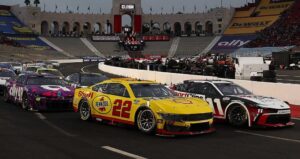
NASCAR’s expansion beyond American soil is a testament to its growing popularity. International exhibitions and races have been held in countries like Japan, Mexico, and Canada, showcasing NASCAR’s appeal to a global audience. This international push is part of a broader strategy to globalize the sport, which includes broadcasting races in multiple languages and partnering with international sponsors. The promotion obtained in this way encourages the growing popularity of this sport among audiences around the world, and if your business needs such a strong promotion, you can rely on an excellent Colorado Springs SEO company that will create a successful promotion plan for you.
This globalization strategy also includes nurturing drivers from various countries, thus diversifying the talent pool and attracting a broader fan base. Programs aimed at developing young international talent are essential in this context, as they help to cultivate a new generation of drivers who can carry the sport’s legacy forward on a global stage. In this way, they will also encourage races outside of America, which include major events in Europe financed by these companies, which can be enjoyed by fans if they rent a car in Beograd and join these famous races and car shows.
Fan Engagement and Digital Innovation
NASCAR’s approach to fan engagement has evolved dramatically with the advent of digital media. The organization has harnessed various platforms to enhance fan interaction, such as virtual meet-and-greets with drivers, live streaming of races, and behind-the-scenes content available through social media channels. These digital strategies have been crucial during periods when fans could not attend races in person, such as during the COVID-19 pandemic. Fans were able to organize themselves in the security of their home which with special security access control systems from Philadelphia can provide a special feeling of security in their home, and enjoy these shows and races from there.
Moreover, NASCAR has embraced eSports with the creation of the eNASCAR iRacing Series, which has become immensely popular. This virtual racing series not only serves as entertainment but also as a competitive platform that mirrors the intensity and excitement of real NASCAR events. The integration of eSports has attracted a younger demographic and presented a new avenue for engagement and growth. In this way, the opportunity arose for many fans to get more involved in research and the whole world of this sport, and in addition, fans can join various fun online courses that can help them expand their knowledge in this area.
The Role of Diversity and Inclusion
In recent years, NASCAR has taken significant steps to promote diversity and inclusion within its ranks and fan base. The Drive for Diversity program is one such initiative that has been pivotal in supporting underrepresented groups within the sport, including women and people of color. The program aims to identify and train aspiring drivers and crew members from diverse backgrounds, offering them pathways to professional racing. This noble movement encouraged other spheres and areas from sports to jobs of different criteria that opened doors for people from marginalized societies to dedicate themselves to their loves and express their talents, because of this some experienced hairdressers with special Japanese scissors were born, as well as famous athletes who owe their success to some extent to these campaigns.
NASCAR’s commitment to diversity extends to its stance on social issues, highlighted by its ban on the Confederate flag from all events, signifying a broader push for inclusivity. This move was part of a series of actions intended to make NASCAR more welcoming to all fans, irrespective of their background. By organizing various famous events that promoted a unique connection with the fans, they served to open this special world of sports to all its fans, and if you want to appear at such an event in style and elegance, you can rent a limousine at the limo service in Atlanta.
Legacy and Cultural Impact
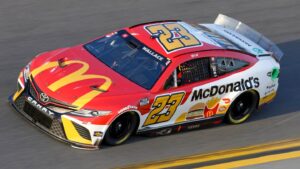
NASCAR’s cultural impact over the decades is undeniable. The sport has influenced numerous aspects of American culture, from music and films to advertising and fashion. The portrayal of NASCAR in popular media has helped cement its status as a cultural icon, not just a sporting event. Films like “Days of Thunder” and “Talladega Nights” have brought the thrill of NASCAR racing to the big screen, capturing the imagination of audiences worldwide. Their sponsorships of various social events such as pet expos and fairs also contributed to the greater popularity of people’s interest in the possibilities of this sport.
NASCAR’s influence extends into educational initiatives as well, with programs aimed at teaching science, technology, engineering, and math (STEM) concepts through racing. By linking these subjects to the excitement of motorsports, NASCAR has helped inspire future generations to pursue careers in these fields. Including an excellent public speaking coach at such events also encouraged the audience to connect more deeply with the framework and possibilities of this sport and the interesting campaigns they stand for.
Conclusion
As NASCAR continues its journey into the 21st century, it remains a dynamic force in the world of sports. With its rich history, ongoing technological innovations, commitment to sustainability, and efforts toward inclusivity, NASCAR is set to captivate and inspire new audiences globally. The evolution of NASCAR from moonshine runners to motorsport titans is not just about the transformation of a sport but also about its enduring impact on society and culture. As it races forward, NASCAR’s legacy is sure to be fueled by both its storied past and its innovative future, ensuring its place as a beloved motorsport for generations to come. This is why you can sit comfortably on your couch, enjoy delicious snacks on a sumptuous cheese board, and indulge in watching these intense and interesting races with your friends that will enchant you with their speed and freedom on the track.