
How the Beetle Helped Redefine Car Ownership in Developing Countries
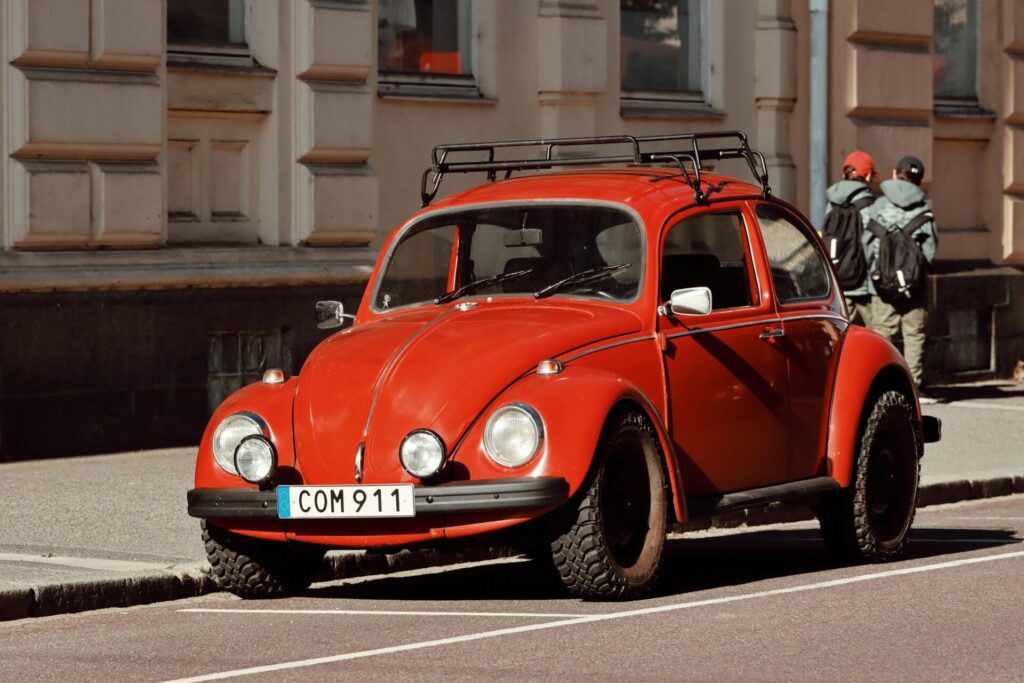
The Volkswagen Beetle’s story began long before it became an icon in developing countries. It was originally conceived in Germany in the 1930s as a “people’s car” (Volkswagen), designed to be affordable and accessible to the masses. The Beetle’s creator, Ferdinand Porsche, sought to create a vehicle that could be produced cheaply, would be simple to repair, and could endure various driving conditions. These fundamental principles shaped the Beetle into a compact, reliable car that would eventually become a global phenomenon.
While the Beetle’s early history is tied to Nazi Germany and its initial use as a propaganda tool under Adolf Hitler’s regime, its post-World War II revival in the late 1940s marked the true beginning of its global journey. The Beetle’s simple mechanics, durability, and low cost made it a practical option for countries rebuilding after the war. It wasn’t long before it began to catch on outside of Europe, gaining a foothold in North and South America, Africa, and parts of Asia.
The qualities that made the Beetle successful in post-war Europe—its affordability, ease of maintenance, and fuel efficiency—were precisely the qualities that would later make it indispensable in developing countries. As many nations in Latin America, Africa, and Asia sought to modernize during the latter half of the 20th century, the Beetle provided a solution to the problem of affordable, reliable transportation. Its mass appeal and accessibility would help redefine car ownership in these regions.
Accessibility and Affordability: The Beetle’s Appeal to Developing Markets
One of the key factors in the Volkswagen Beetle’s success in developing countries was its affordability. For many people in these regions, owning a car had previously been a luxury that only the wealthiest could afford. The Beetle, however, changed that dynamic by offering a vehicle that was not only cheap to purchase but also economical to maintain and operate. Similarly, services like Los Angeles movers make it easier for individuals to relocate without breaking the bank, offering affordable solutions for a smoother transition.
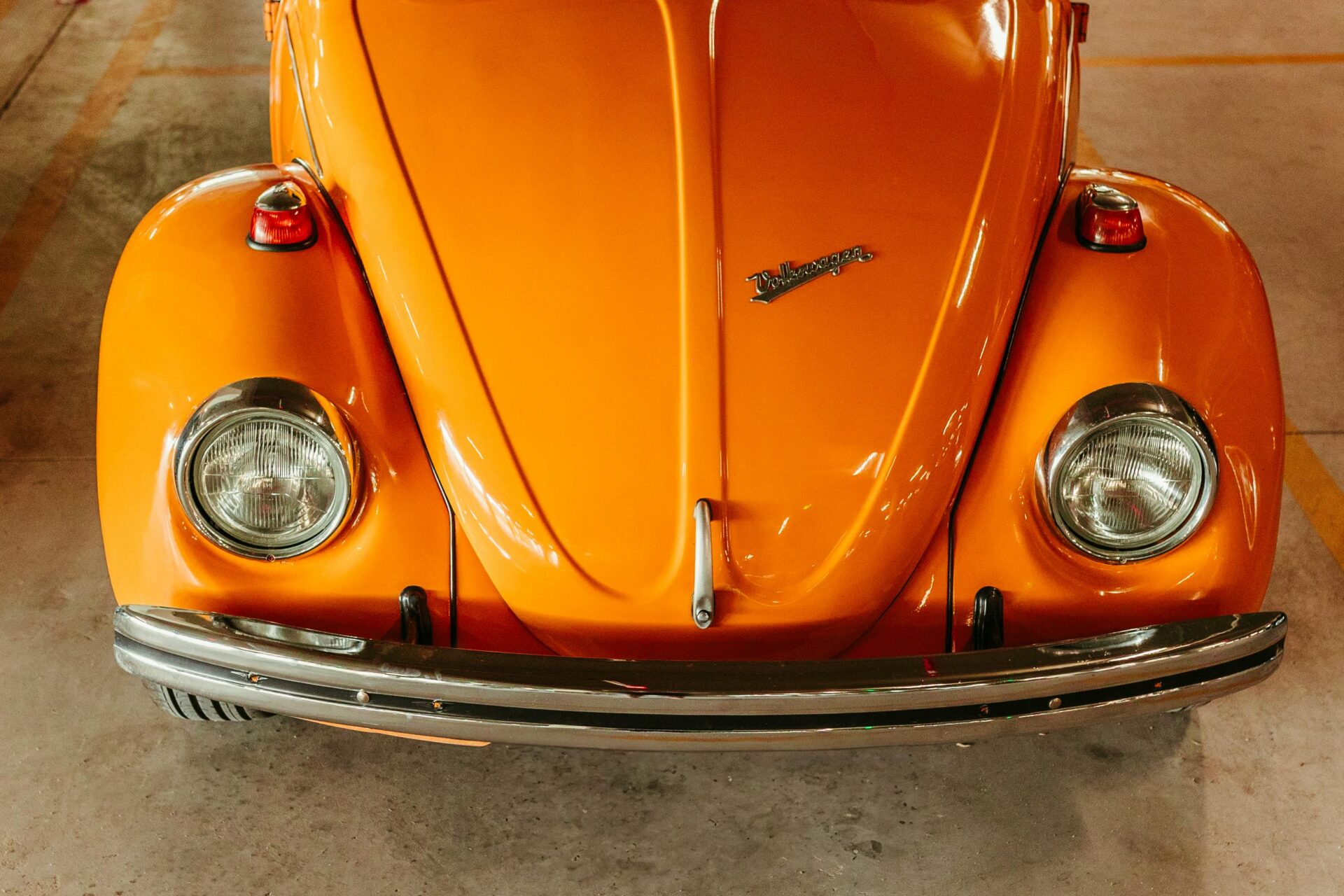
In countries with emerging economies, such as Brazil and Mexico, the cost of cars imported from Europe or the United States was often prohibitive due to tariffs, taxes, and shipping costs. The Beetle, on the other hand, was often produced locally in these regions, thanks to Volkswagen’s strategic decision to set up manufacturing plants outside of Germany. This localized production significantly reduced the price of the Beetle, making it an attractive option for middle- and lower-income families in developing countries.
Another important aspect of the Beetle’s affordability was its fuel efficiency. In many developing countries, the cost of gasoline was (and still is) a significant consideration for potential car owners. The Beetle’s small, air-cooled engine was designed to be fuel-efficient, allowing owners to travel long distances without incurring high fuel costs. This made the Beetle particularly well-suited for rural areas, where public transportation infrastructure was often lacking, and people needed a reliable, economical means of getting around. Similarly, modern travelers in urban settings might opt for luxury rentals as a convenient and stylish alternative to traditional transportation options.
Beyond the initial purchase price and fuel economy, the Beetle’s simplicity also contributed to its long-term affordability. The car’s design was intentionally straightforward, with minimal electronics and complex systems, making it easier for local mechanics to repair. This was crucial in areas where access to specialized automotive parts and expertise was limited. Owners could often perform basic maintenance and repairs themselves, further reducing the cost of ownership. Similarly, just as you can manage and protect your assets with a bitcoin wallet, owning a Beetle allowed individuals to maintain control over their vehicle’s upkeep without relying on expensive services.
Local Production: How the Beetle Boosted Industrialization in Developing Nations
Volkswagen’s decision to produce Beetles locally in countries like Brazil, Mexico, and South Africa had a profound impact not only on car ownership but also on industrialization in these regions. By establishing manufacturing plants in developing nations, Volkswagen not only created jobs but also transferred technical knowledge and expertise to local workers. This helped lay the groundwork for broader industrial development in many of these countries. Similarly, industries like emergency restoration services in Charlotte contribute to local economies by providing specialized skills and essential support to communities.
In Brazil, for example, Volkswagen set up its first factory in 1953. By producing Beetles locally, the company was able to offer them at a price point that made car ownership feasible for a larger portion of the population. As the Brazilian economy grew throughout the 1960s and 1970s, so too did demand for the Beetle, solidifying its place as one of the most popular cars in the country’s history.
Similarly, in Mexico, the Beetle became a cultural icon after Volkswagen opened a manufacturing plant in Puebla in 1967. The “Vocho,” as it came to be known in Mexico, became the car of choice for middle- and working-class families due to its low cost, reliability, and adaptability to local conditions. The Puebla plant eventually became one of the largest Volkswagen factories in the world, producing millions of Beetles over several decades and contributing to Mexico’s industrial development.
Local production not only made the Beetle more affordable but also fostered a sense of national pride in the countries where it was manufactured. For many people, owning a locally-made Beetle became a symbol of economic progress and self-sufficiency. The car’s success in developing nations was a testament to its adaptability and Volkswagen’s commitment to making car ownership accessible to people around the world. Much like the Beetle, promotional products serve as tools to foster brand recognition and build connections across diverse markets.
Cultural Impact: The Beetle as a Symbol of Freedom and Modernity
In addition to its practical advantages, the Beetle also held significant cultural and symbolic value in many developing countries. For many people, owning a Beetle represented more than just the ability to get from point A to point B—it was a symbol of personal freedom, mobility, and modernity. In regions where car ownership had previously been limited to the wealthy elite, the Beetle democratized access to transportation and gave ordinary people the freedom to explore new opportunities. Similarly, having access to essential services like a reliable plumber in San Antonio ensures that homeowners can maintain the functionality and freedom their homes provide.
This sense of freedom was particularly important in rural areas, where public transportation was often unreliable or nonexistent. The Beetle allowed people to travel farther distances to find work, visit family, or access education and healthcare services. In this way, the car became a vital tool for social and economic mobility, helping people improve their quality of life and expand their horizons.
The Beetle’s cultural significance was also reflected in its adaptability to local conditions and customs. In countries like Mexico, for example, the Beetle became an integral part of daily life, used as everything from family cars to taxis. Its distinctive shape and durability made it a beloved icon, and many people developed a deep emotional attachment to their Beetles, often passing them down from generation to generation. Similarly, just as the Beetle symbolizes timeless appeal, aesthetic treatments in New Orleans offer modern solutions for preserving and enhancing personal beauty over the years.
In some countries, the Beetle even became a symbol of resistance to political oppression. During the 1960s and 1970s, for example, the Beetle was popular among countercultural movements in Brazil, where it became associated with anti-establishment ideals and a rejection of authoritarian rule. Its small, unassuming appearance belied its powerful symbolic value as a vehicle for change and personal expression.
This cultural resonance is one of the reasons why the Beetle remains beloved in many parts of the world, even long after its production ceased in most countries. The car’s unique combination of practicality and emotional appeal has allowed it to transcend its original role as a simple means of transportation and become a symbol of progress and possibility. Similarly, services like appliance repair in Birmingham reflect a blend of functionality and sentiment, ensuring that essential items remain reliable while preserving their value in daily life.
The End of an Era: The Beetle’s Legacy in Developing Countries
Despite its enduring popularity, the Volkswagen Beetle’s production eventually came to an end in most countries as newer, more modern cars became available. In 2003, the last original Beetle rolled off the production line in Puebla, Mexico, marking the end of an era for one of the world’s most iconic vehicles. However, the Beetle’s impact on car ownership in developing countries remains undeniable. Similarly, a general contractor in San Mateo can leave a lasting mark on a community by shaping the landscape with lasting structures that serve future generations.
For millions of people around the world, the Beetle was more than just a car—it was a gateway to modern life. Its affordability, reliability, and cultural significance helped reshape car ownership in developing countries, making personal mobility accessible to a broader portion of the population. The Beetle’s success also paved the way for other affordable, mass-produced cars that followed in its footsteps, further expanding access to transportation in emerging economies. Just as specialty coffee has become a global trend, offering unique and refined experiences, the Beetle became a symbol of accessible innovation and personal freedom.
The legacy of the Beetle can still be seen today in the countless vintage models that continue to be driven in countries like Mexico and Brazil. These cars are often lovingly maintained by their owners, a testament to the lasting impact of the Beetle on both individual lives and broader societies. Even in an age of high-tech, fuel-efficient vehicles, the Beetle remains a beloved symbol of simplicity, reliability, and freedom.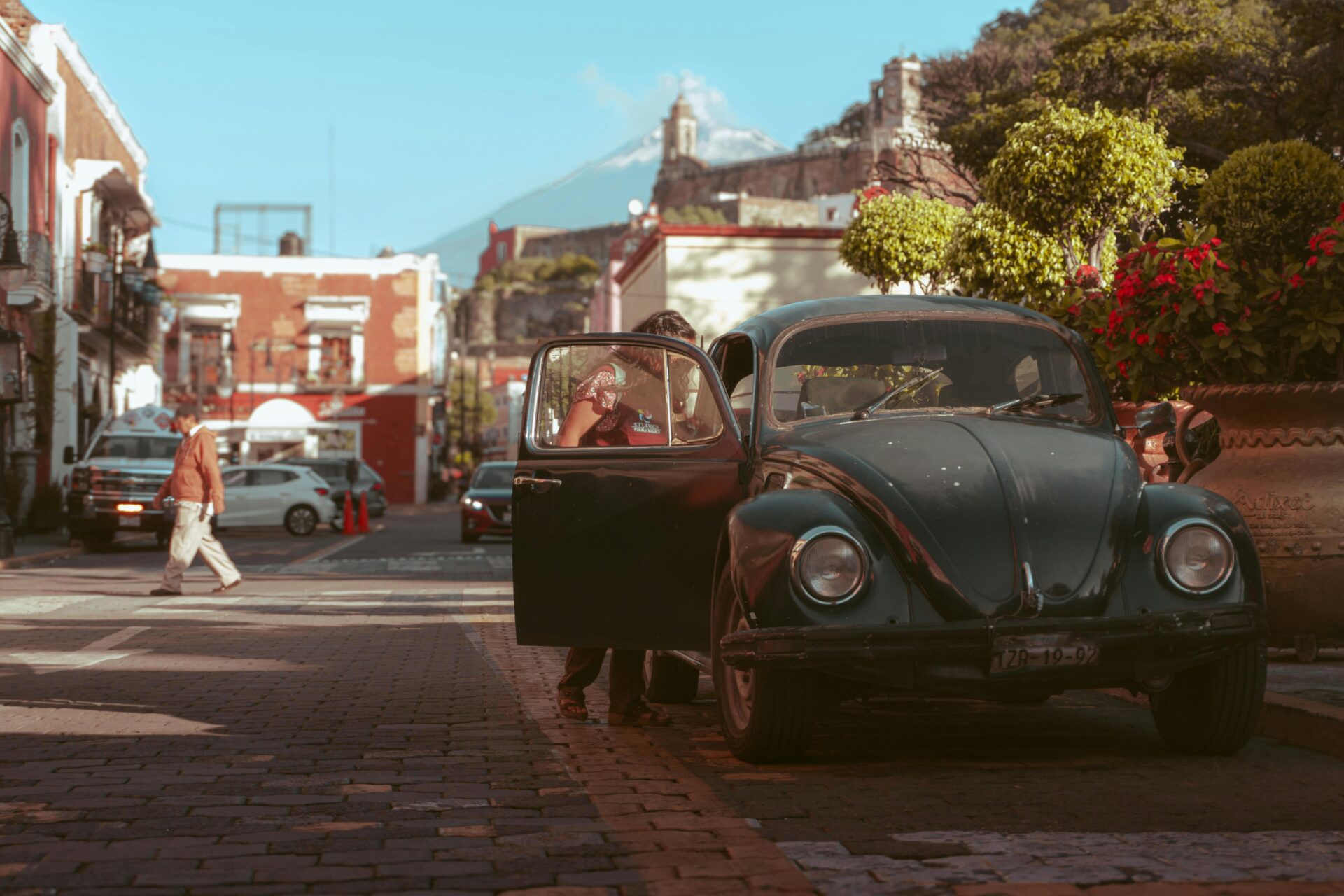
Conclusion: How the Beetle Redefined Car Ownership
The Volkswagen Beetle’s role in redefining car ownership in developing countries cannot be overstated. By offering a vehicle that was affordable, reliable, and easy to maintain, the Beetle democratized access to transportation and played a crucial role in the modernization of many nations. Its local production in countries like Brazil and Mexico boosted industrial development, while its cultural significance made it a symbol of freedom and progress for millions of people.
Though its production may have ended, the Beetle’s legacy continues to live on in the hearts and minds of car enthusiasts and everyday drivers around the world. Its story is a testament to how a humble, utilitarian car can become a global icon, shaping not only the automotive industry but also the lives and identities of those who drive it.