
How Car Manufacturers Are Redefining the SUV for the 21st Century
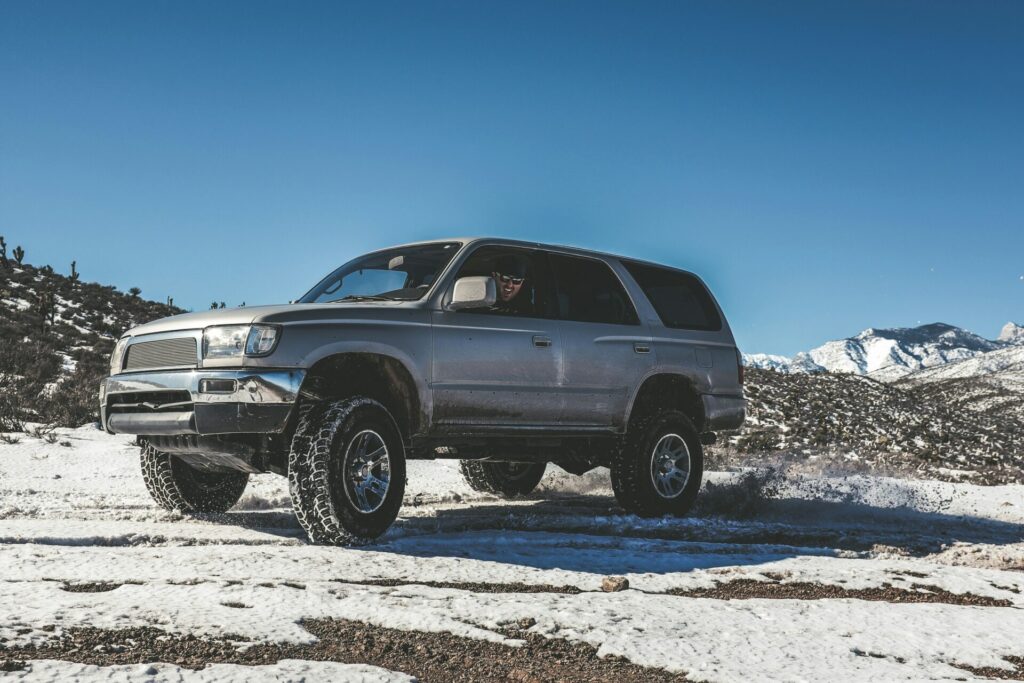
Over the past few decades, the SUV has evolved from a rugged off-road vehicle to one of the most popular and versatile car types on the market. Once reserved for adventurers and those seeking a practical family vehicle, today’s SUVs are redefining what it means to be a “sport utility vehicle.” With an increasing demand for versatility, efficiency, luxury, and technology, car manufacturers are pushing the boundaries of design and functionality. The 21st-century SUV is a far cry from its original roots, with significant innovations that are making these vehicles more accessible, sustainable, and high-tech. Whether through electrification, advanced safety features, or new interior designs, the SUV is undergoing a massive transformation.
In this article, we will explore the various ways car manufacturers are reimagining the SUV, adapting it to meet the needs of modern drivers, and how this vehicle class continues to lead the charge in automotive innovation.
The Shift to Electric SUVs: Leading the Charge Toward a Sustainable Future
One of the most significant changes in the SUV market in the 21st century is the growing shift towards electric powertrains. Electric SUVs are becoming a driving force in the transition to sustainable vehicles, and car manufacturers are responding by offering a wide range of electric and hybrid models to suit consumers’ evolving preferences. The push for greener alternatives is not just about reducing carbon emissions; it is about creating a more efficient, reliable, and technologically advanced driving experience.
Electric SUVs have already garnered significant attention from manufacturers like Tesla, Ford, and Volkswagen, who are all leading the charge in designing electric SUVs. Tesla’s Model X, for example, has become an iconic representation of what an electric SUV can look like, combining futuristic design with high performance. With zero-emission driving, electric SUVs offer a more environmentally friendly alternative to traditional gasoline-powered models. This is crucial as environmental regulations become stricter and consumer demand for sustainable options increases.
Moreover, advancements in battery technology are allowing for longer driving ranges on a single charge, a concern that has often kept consumers from fully embracing electric vehicles. Today’s electric SUVs can easily achieve ranges upwards of 250 miles, with some models even surpassing 300 miles, making them practical for daily use and long road trips. Whether you’re driving an electric SUV or strolling around town in leather sandals, sustainable choices are becoming more accessible than ever.
The growing range of charging infrastructure is also playing a pivotal role in the adoption of electric SUVs. Charging stations are becoming increasingly common across cities, highways, and remote areas, making long-distance travel more feasible. This new generation of electric SUVs isn’t just about reducing emissions; it’s about blending sustainability with the high performance and features that SUV owners have come to expect.
Advanced Technology: Enhancing Comfort, Safety, and Driving Experience
One of the driving forces behind the transformation of the 21st-century SUV is the incorporation of advanced technology. From improved driver assistance systems to cutting-edge infotainment options, technology is playing a pivotal role in redefining what an SUV can do. These innovations are not only focused on enhancing comfort but also improving safety and making driving easier and more enjoyable. Similarly, advancements in health technology are enabling more effective approaches to medical weight loss in Wisconsin, giving individuals new tools to achieve their goals.
Car manufacturers have equipped modern SUVs with features such as adaptive cruise control, lane-keeping assist, automatic emergency braking, and blind-spot monitoring. These safety features help drivers stay more aware of their surroundings, reduce the likelihood of accidents, and provide an added layer of peace of mind. The development of semi-autonomous and fully autonomous driving technologies is another major trend, with some manufacturers already integrating these features into their new SUV models.
Additionally, infotainment technology has become a key component of the modern SUV. With larger touchscreens, advanced voice controls, and seamless smartphone integration, these vehicles are designed to keep drivers connected without distracting them from the road. Apple CarPlay and Android Auto have become standard in many models, allowing drivers to easily access their favorite apps and music, making their driving experience more enjoyable and productive. Some manufacturers even offer augmented reality navigation systems that overlay directional arrows and points of interest on the vehicle’s display, providing drivers with an intuitive, high-tech experience.
Furthermore, SUVs today are equipped with more luxurious features than ever before. Features such as ventilated and massaging seats, advanced climate control systems, and premium audio systems ensure that the ride is as comfortable as possible for all passengers. The demand for more spacious and ergonomic interiors has led to redesigned cabin layouts with increased legroom and cargo capacity. In the world of luxury travel, a hospitality consultancy can help ensure that these features align with the expectations of the discerning traveler. These improvements in interior comfort and functionality have helped make the modern SUV a vehicle that can be enjoyed by drivers and passengers alike.
A Focus on Sustainability: Eco-Friendly Materials and Manufacturing Processes
Sustainability is no longer just a buzzword—it is now at the core of the automotive industry. The growing consumer preference for environmentally friendly products has prompted car manufacturers to adopt eco-conscious materials and manufacturing processes. In the SUV segment, this is evident in the increasing use of sustainable materials like recycled plastics, vegan leather, and renewable fabrics.
Car manufacturers are also improving the fuel efficiency of their SUVs, even in gas-powered models. Hybrid and plug-in hybrid (PHEV) SUVs are becoming more popular, allowing consumers to benefit from both electric power and the flexibility of a traditional gasoline engine. These hybrids can switch between electric and gas power depending on the driving conditions, offering better fuel economy without sacrificing the utility of the vehicle. The increased availability of green technology, such as solar-powered roofs and energy-saving HVAC systems, is further improving the overall sustainability of modern SUVs.
Moreover, manufacturers are revisiting their production processes to reduce waste, emissions, and energy consumption. By adopting sustainable manufacturing techniques, such as using renewable energy sources and minimizing the carbon footprint of production facilities, automakers are taking responsibility for their impact on the environment. For those seeking expertise in related fields, ENT in Wausau provides valuable insights into the broader scope of sustainable practices. As the demand for electric and eco-friendly vehicles grows, the automotive industry is embracing this change with open arms, resulting in cleaner, more sustainable vehicles for the 21st century.
Redefining SUV Design: Sleek, Stylish, and More Aerodynamic
Another key aspect of how car manufacturers are redefining the SUV for the 21st century is through innovative design. Historically, SUVs were known for their bulky and boxy appearance, which was part of their rugged appeal. However, modern consumers are increasingly seeking vehicles that combine utility with aesthetics. SUV designs are now sleeker, more aerodynamic, and more visually appealing, while still retaining the core features that made these vehicles popular in the first place. In addition to design, car manufacturers are utilizing advanced technologies, such as direct-to-garment printing, to personalize interior and exterior features for a unique consumer experience.
Car manufacturers are introducing a new wave of SUVs that blend bold styling with cutting-edge design. For example, coupes, crossovers, and sportier variants of traditional SUVs are becoming increasingly popular. These vehicles feature more fluid lines, lower profiles, and sportier stances, giving them a more dynamic, attractive look. Automakers are focusing on reducing drag and improving fuel efficiency by refining the shape of their SUVs, resulting in cars that are not only more efficient but also visually striking. Incorporating custom software development into vehicle design is also helping optimize these features more efficiently.
The rise of electrified SUVs has also prompted car makers to rethink how they approach vehicle design. With electric powertrains offering more flexibility in terms of packaging, designers are creating interior spaces that offer more comfort, storage, and flexibility. Electric SUVs, for instance, often have flatter floors and additional cabin space compared to their gasoline counterparts, allowing for a more open and spacious feel.
The Changing Market: SUVs for All Lifestyles and Budgets
Car manufacturers are responding to the increasing demand for SUVs by expanding their product offerings to cater to all lifestyles and budgets. In the past, SUVs were often seen as vehicles for large families or outdoor enthusiasts. However, the market has evolved, and SUVs are now available in various sizes and configurations, ensuring there is an option for everyone, from urban dwellers to adventure seekers. For businesses in the automotive industry looking to enhance their online presence, PPC consulting services can be a game changer.
Meanwhile, luxury SUVs have grown in popularity as well. Car manufacturers are enhancing their high-end SUV models with opulent interiors, advanced technology, and a refined driving experience. These luxury SUVs cater to a clientele that desires the ruggedness and utility of an SUV, but with a premium feel that rivals sedans in terms of comfort and elegance.
Conclusion: The Future of the SUV in the 21st Century
The SUV has come a long way from its humble beginnings, and car manufacturers are continuing to innovate and redefine this beloved vehicle for the 21st century. From the shift to electric powertrains and hybrid technology to the integration of cutting-edge tech and sustainable materials, the modern SUV is a versatile, eco-friendly, and technologically advanced vehicle. Just as important, the SUV market now includes options for families with specific needs, like those who seek small kibble dog food for their pets during long trips.
As the demand for SUVs continues to grow, manufacturers are focusing on creating more efficient, stylish, and functional vehicles that cater to a wide range of consumer needs and preferences. Whether it’s through the use of advanced technology, the incorporation of sustainable practices, or the focus on design, the SUV is evolving to meet the demands of a rapidly changing world. For those recovering from sports injuries, a sports medicine specialist in Medford can provide valuable insights on staying active while driving a new SUV. The future of the SUV looks bright, and it is clear that car manufacturers will continue to innovate, making the SUV a central part of the automotive landscape for years to come.