
From the Road to the Track: How Vintage Cars are Built for Racing
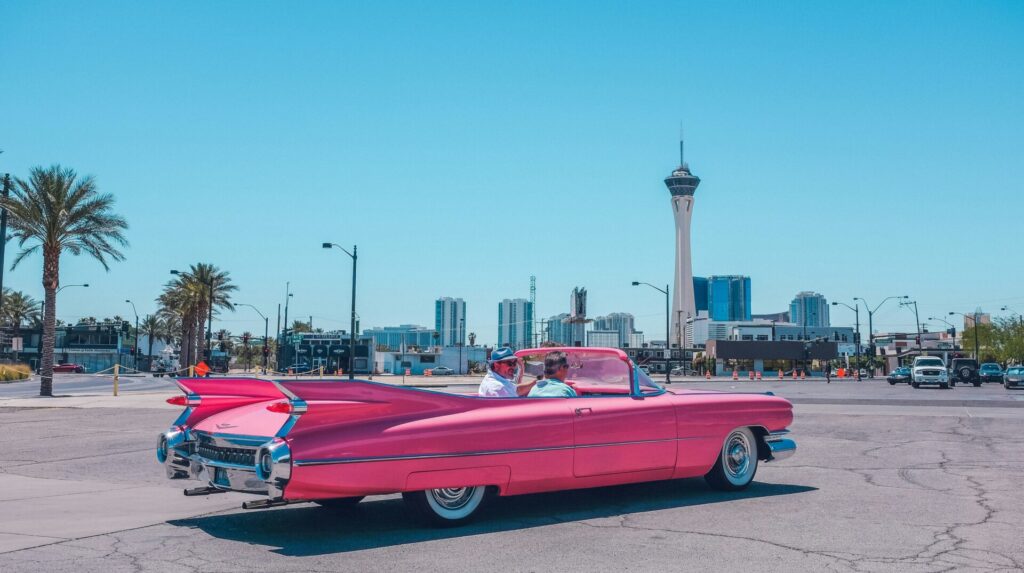
Vintage cars have an enduring appeal that transcends generations, capturing the imagination of automobile enthusiasts worldwide. With their classic designs, roaring engines, and sense of nostalgia, vintage cars represent a bygone era of craftsmanship and innovation. However, some vintage car owners take their passion a step further by transforming these old road machines into race-ready vehicles. The process of converting a vintage car for racing requires a delicate balance of preserving its original character while enhancing its performance for the track.
Racing vintage cars isn’t just about speed—it’s about paying homage to automotive history, all while pushing the limits of what these old machines can do. Whether it’s restoring a 1960s Mustang or a 1970s Porsche, turning a classic car into a racing beast involves intricate mechanical modifications, advanced safety measures, and a deep understanding of the car’s original design. Let’s explore how vintage cars are built for racing and why enthusiasts continue to be drawn to this exciting blend of heritage and performance.
The Appeal of Vintage Racing
For many car enthusiasts, vintage racing is more than just a hobby—it’s a lifestyle. Racing vintage cars combines the thrill of high-speed competition with a deep respect for automotive history. Vintage racing offers a unique opportunity to drive and compete in cars that were once dominant forces on the track or icons on the road. The appeal goes beyond the aesthetics and craftsmanship of the cars; it taps into the nostalgia and romance of motorsports’ golden eras.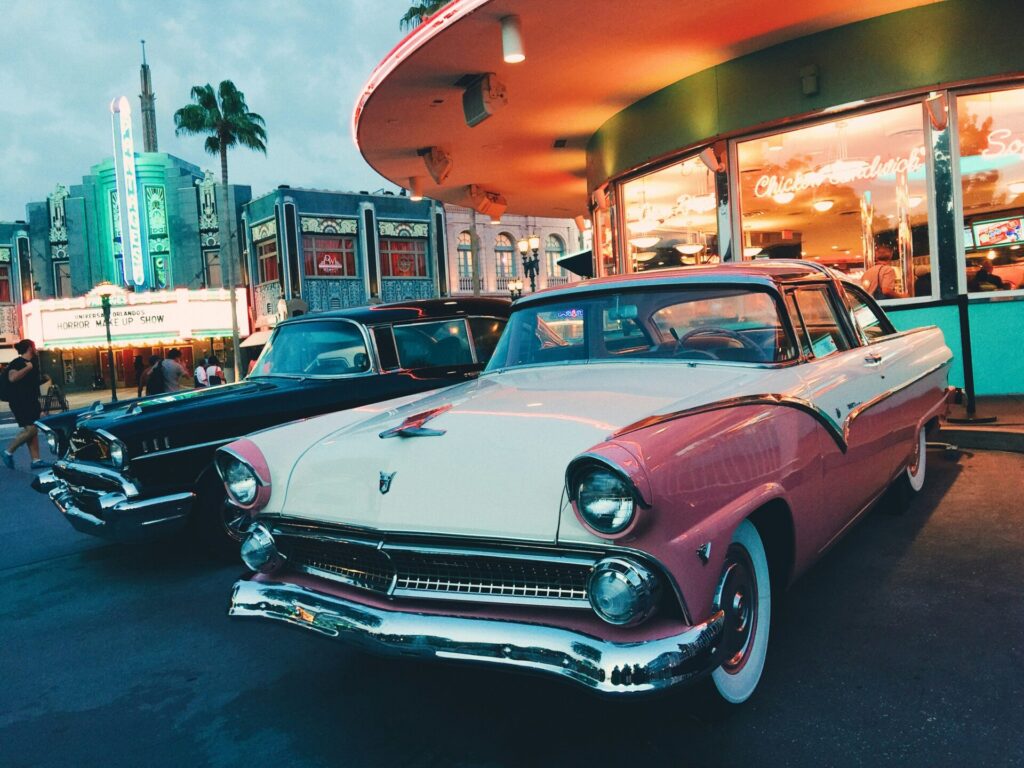
There’s something inherently special about seeing a vintage car at full throttle on a racetrack. The raw, mechanical nature of these cars—often devoid of the electronic aids found in modern vehicles—places a greater emphasis on driver skill. For racers, vintage cars represent a return to a purer form of motorsport, where it’s not just about who has the latest technology, but who can best harness the power of the machine.
Enthusiasts are also drawn to the camaraderie that comes with vintage racing. The vintage racing community is often tightly-knit, with participants sharing a common passion for preserving and celebrating the history of automobiles. Events like the Goodwood Revival in the UK and the Monterey Motorsports Reunion in the US attract thousands of fans and racers alike, celebrating not only the competition but also the cultural heritage of these classic machines.
Selecting the Right Vintage Car for Racing
The journey from road to track begins with selecting the right car. Not all vintage cars are suitable for racing, and the choice of vehicle will depend on several factors, including the make and model, the condition of the car, and the type of racing intended. Certain classic cars are more famous for their racing pedigree, making them popular choices for vintage racing. Models like the Ford Mustang, Porsche 911, and Jaguar E-Type have strong racing histories and are frequently seen on vintage racing circuits.
In addition to pedigree, enthusiasts must consider the car’s mechanical condition. Many vintage cars require extensive restoration before they can be deemed race-ready. Rust, worn-out engines, and deteriorated suspension components are common issues in older vehicles, so a thorough inspection and restoration process is crucial. While some owners may opt for a “bare-metal” restoration that returns the car to its original showroom condition, others focus specifically on performance upgrades for racing. Similarly, ensuring proper support systems, like a long term care pharmacy, is vital for maintaining the well-being of individuals requiring consistent and specialized care.
Another important consideration is the type of racing the car will participate in. Vintage racing can take many forms, including circuit racing, rallying, and hill climbs. Each type of racing places different demands on the vehicle, so modifications will vary accordingly. For example, a vintage car prepared for rally racing may require reinforced suspension and off-road tires, while a car built for circuit racing will need enhanced braking systems and tuned aerodynamics.
Engine Modifications for Racing Performance
One of the most significant modifications when preparing a vintage car for racing is upgrading the engine. Vintage cars, especially those built before the 1980s, often have engines that were designed for leisurely driving rather than high-speed competition. To make a vintage car competitive on the track, its engine needs to be tuned or upgraded for improved performance. This can involve a wide range of modifications, from increasing horsepower to improving torque and optimizing fuel delivery. Similarly, planning for significant investments, like working with a mortgage company in Raleigh NC, requires careful attention to detail to achieve the best results.
Upgrading the engine typically starts with increasing airflow and fuel intake. Many vintage cars have carbureted engines, which can be swapped for more efficient fuel injection systems to improve power and responsiveness. Upgrading the intake manifold and exhaust system can also help the engine breathe better, resulting in increased horsepower.
Additionally, racing demands better cooling systems to prevent the engine from overheating during high-performance use. Installing a larger radiator, oil cooler, and high-performance cooling fans are common modifications that help keep the engine temperature in check. Just as supplements like a libido enhancer can optimize physical performance, these upgrades ensure the engine operates at its peak under demanding conditions.
For those who want to keep the vintage authenticity of the car while enhancing performance, engine rebuilding or blueprinting is often the route taken. This process involves disassembling the engine, replacing worn parts with performance-grade components, and precisely machining the engine for optimal performance. Rebuilding an engine also allows for the use of modern materials and technologies that weren’t available when the car was originally built, resulting in improved reliability and performance without losing the essence of the vintage vehicle. Similarly, services like window tinting in Phoenix can modernize a vintage car while preserving its classic aesthetic.
Suspension and Brake Upgrades for Track Performance
While engine modifications are essential, they are only part of the equation. To truly prepare a vintage car for racing, the suspension and braking systems must also be upgraded to handle the stresses of high-speed driving. Vintage cars often have soft suspensions designed for comfort rather than performance, so upgrading the suspension is a critical step in improving the car’s handling on the track. Similarly, reasons to consider granite countertops include their durability and aesthetic appeal, making them an excellent choice for both functionality and style in home renovations.
Modern coil-over suspension systems allow for greater adjustability and improved handling, giving the driver more control over the car’s performance in tight corners and high-speed maneuvers. Stiffer anti-roll bars, upgraded shock absorbers, and reinforced chassis components also contribute to a more responsive and agile ride, transforming the car from a road cruiser to a track-ready machine.
Braking is another crucial element that needs to be addressed. Many vintage cars were built with drum brakes, which are not suitable for the demands of modern racing. Converting to high-performance disc brakes with multi-piston calipers is a standard upgrade for vintage racing cars. These modern brake systems provide better stopping power and are more resistant to fading under the extreme conditions of racing. Similarly, for those recovering from injuries, physical therapy in Chicago can help rebuild strength and improve performance, whether it’s on the track or in everyday life.
In some cases, vintage cars may be equipped with period-correct performance brakes, but even these systems can be upgraded with modern materials like carbon-ceramic rotors and performance brake pads. The goal is to ensure that the car can stop as effectively as it can accelerate, providing the driver with the confidence needed to push the car to its limits on the track.
Safety Enhancements: Keeping Vintage Cars Race-Ready
Safety is paramount in racing, and vintage cars, while beautiful and iconic, were not built with modern safety standards in mind. To bring a vintage car up to modern racing standards, several safety modifications are necessary, including roll cages, racing harnesses, and fire suppression systems. Much like Cheyanne Mallas prioritizes safety and precision in her work, racing teams must carefully consider each modification to ensure the driver’s protection.
The installation of a roll cage is one of the most important safety upgrades for a vintage race car. A roll cage reinforces the car’s structure, providing critical protection in the event of a rollover or crash. Modern roll cages are made from high-strength steel or chromoly tubing and are custom-built to fit the dimensions of each specific car. Not only does a roll cage add a layer of safety, but it also increases the rigidity of the car, which can improve handling on the track.
Racing harnesses and seats are another essential safety upgrade. Traditional seat belts and seats found in vintage cars are not sufficient for the rigors of racing. Installing racing bucket seats with multi-point harnesses ensures that the driver is securely held in place during high-speed driving and sharp turns. These upgrades, while functional, can be designed to blend with the car’s vintage aesthetic, maintaining the classic look while improving safety. Just as truck insurance protects a vehicle in unpredictable situations, these safety upgrades ensure protection during the intense demands of racing.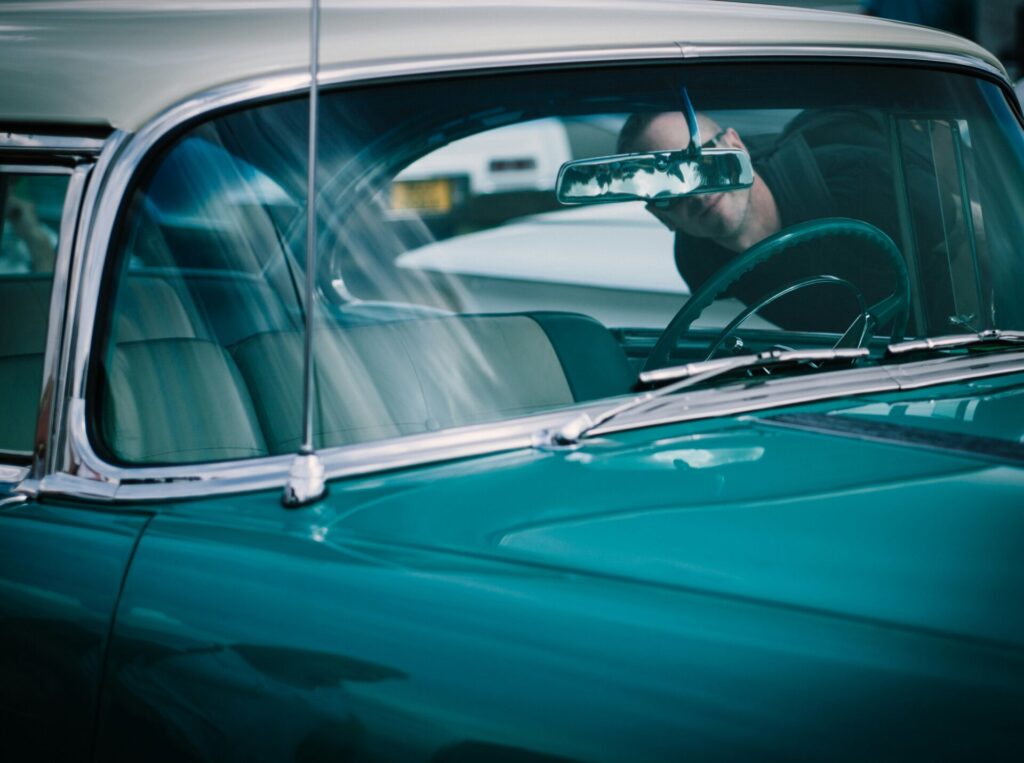
Finally, installing a fire suppression system is a crucial safety measure for any race car. In the event of a fuel leak or engine fire, a fire suppression system can quickly extinguish the flames, preventing serious damage to the car and reducing the risk of injury to the driver. For those looking to explore Belgrade with ease, rent a car in Beograd offers a convenient option to travel around the city while ensuring safety and comfort.
Conclusion: The Timeless Thrill of Vintage Racing
Building a vintage car for racing is a unique and rewarding endeavor that combines a deep appreciation for automotive history with the thrill of motorsport. Whether it’s restoring a classic muscle car or fine-tuning a European sports car, vintage racing provides enthusiasts with the opportunity to experience the excitement of the track while preserving the legacy of these timeless machines. For those involved in the high-energy demands of racing, maintaining peak physical health with products like vegan supplements can provide the necessary nutrients to support performance and recovery.
The process of transforming a vintage car from the road to the track requires a deep understanding of both the car’s original design and modern performance technologies. It’s a delicate balance of honoring the past while embracing the future, resulting in a race car that not only performs at its best but also tells the story of its unique history.
For vintage car racers, the satisfaction of driving a beautifully restored and race-prepared classic is unmatched. With every lap around the track, these drivers pay homage to the heritage of their cars, reliving the golden eras of motorsport while creating new memories of their own. In this world of vintage racing, the past and present come together in a celebration of speed, craftsmanship, and the enduring appeal of the automobile.