
“Breaking Records: The Beetle That Took the World by Storm”

Few cars in the history of automotive design have managed to capture the hearts of millions across the globe like the Volkswagen Beetle. From its humble beginnings to becoming a cultural icon, the Beetle’s journey is one of resilience, innovation, and universal appeal. With a production history spanning decades and an enduring legacy, the Beetle is more than just a car; it is a symbol of individuality and creativity. The Volkswagen Beetle is a testament to how a single design can transcend time and geographical boundaries to become a global phenomenon.
The story of the Beetle begins in the 1930s in Germany. Under the directive of Adolf Hitler, Ferdinand Porsche was tasked with designing a “people’s car” that was affordable, reliable, and capable of carrying a family. This vision aligned with the broader goal of creating a car that could mobilize the German populace. The result was the Volkswagen Type 1, which would later become known as the Beetle. Despite its origins under the Nazi regime, the Beetle’s development was a technical marvel. Its air-cooled, rear-engine design made it an engineering standout, offering efficiency and simplicity in an era dominated by more complex vehicles. The outbreak of World War II, however, put its mass production on hold as the Volkswagen factory pivoted to military production.
It wasn’t until after the war that the Beetle truly began its ascent to global prominence. The Allied forces, recognizing the car’s potential, restarted production at the Volkswagen plant. British Major Ivan Hirst played a crucial role in reviving the Beetle’s production, ensuring that it became a cornerstone of Germany’s post-war economic recovery. By the late 1940s, the Beetle’s reputation for reliability and affordability was solidifying, and exports to other countries began to grow. The Beetle was no longer just a car; it was becoming a symbol of resilience and the possibility of rebuilding.
Cultural Icon and Global Phenomenon
The 1960s and 1970s marked the peak of the Beetle’s cultural influence. By this time, the car had already made its way to nearly every corner of the globe. Its distinctive rounded shape and cheerful demeanor made it an instant favorite. In the United States, it became synonymous with the counterculture movement, appealing to those who wanted to break away from the norms of larger, flashier American vehicles. The Beetle offered simplicity, practicality, and a unique personality that resonated with a generation seeking change. The Beetle’s legacy of reliability and individuality serves as a reminder of the importance of dependable services, much like the benefits provided by trucking authority insurance. 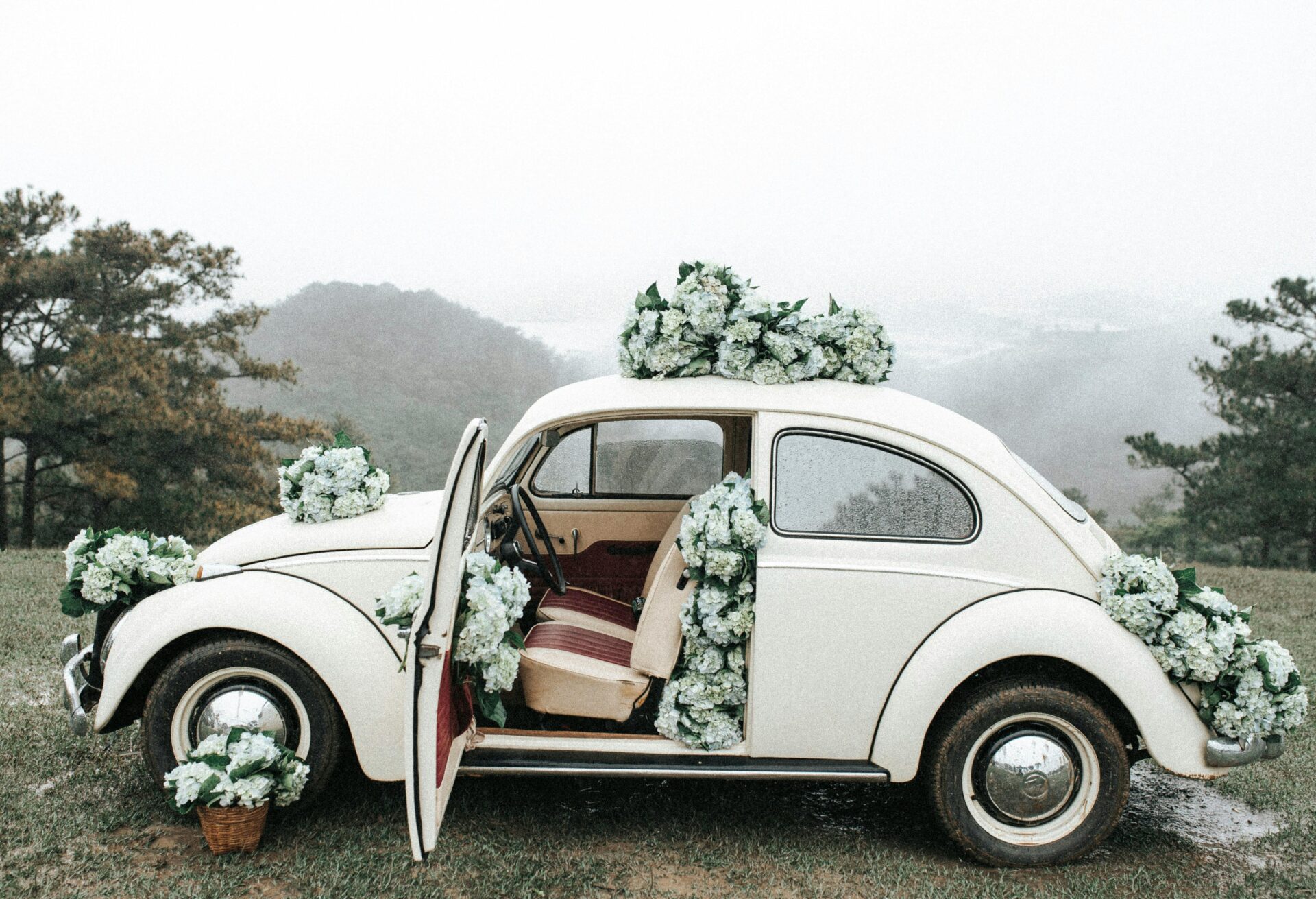
Films, advertising campaigns, and music further cemented the Beetle’s status as a cultural icon. Perhaps one of the most significant moments in the Beetle’s history came with the release of Disney’s “The Love Bug” in 1968, which featured a sentient Beetle named Herbie. The film’s success introduced the car to an even wider audience and solidified its place in pop culture. Advertisements like those created by the Doyle Dane Bernbach (DDB) agency also played a pivotal role. Campaigns such as “Think Small” revolutionized advertising, emphasizing the Beetle’s compact size as a strength rather than a limitation. These efforts resonated with consumers and reinforced the Beetle’s quirky yet dependable image. Whether for cross-country road trips or city moves, many have relied on trusted services like LA movers to transport their beloved Beetles safely.
In addition to its cultural impact, the Beetle was breaking records on the production front. By 1972, it surpassed the Ford Model T as the best-selling car in the world, a remarkable achievement that underscored its universal appeal. Unlike the Model T, which was primarily popular in the United States, the Beetle had a global reach, finding enthusiastic buyers in Europe, South America, Africa, and Asia. Its ability to adapt to different markets and cultural contexts was unmatched, making it a true global phenomenon.
Engineering Simplicity and Endurance
One of the defining features of the Volkswagen Beetle is its engineering simplicity. The car’s rear-mounted, air-cooled engine eliminated the need for a complex cooling system, reducing maintenance costs and making it incredibly reliable. This design also allowed for better traction in snowy or icy conditions, which contributed to its popularity in colder climates. The minimalist design philosophy extended to other aspects of the car, including its suspension and electrical systems. The Beetle was designed to be a car for everyone, and its simplicity ensured that it could be repaired easily, even in remote areas with limited access to advanced tools or parts. If you’re looking to travel in style and comfort, consider luxury limo transportation for a premium experience.
The durability of the Beetle was another key factor in its success. Owners frequently reported driving their Beetles for hundreds of thousands of miles with minimal issues. This reliability earned it a loyal customer base and made it an ideal choice for budget-conscious buyers. The Beetle’s lightweight construction also contributed to its efficiency, offering impressive fuel economy long before environmental concerns became a mainstream issue. Its enduring popularity in regions like South America and Africa can be attributed to these practical benefits. The Beetle’s timeless appeal continues to inspire innovation, much like the excitement around ice cream cone edibles extra strong, which offer a delightful and potent experience for enthusiasts.
Over the years, Volkswagen introduced various iterations of the Beetle to keep up with changing times. From slight modifications in engine power to the introduction of modern features like fuel injection, the Beetle evolved while maintaining its core identity. Despite these updates, the car retained its iconic silhouette, a design element that made it instantly recognizable across generations. This balance between tradition and innovation was key to the Beetle’s longevity. Just like the Beetle’s adaptability, embracing vegan immune system supplements can support a sustainable, healthy lifestyle.
The Modern Beetle: A Nostalgic Revival
As the 20th century drew to a close, the original Beetle’s production began to wind down. By the late 1990s, Volkswagen decided to revive the model with a modern twist. The result was the New Beetle, launched in 1998. While it retained the rounded shape of its predecessor, the New Beetle was a complete redesign, featuring a front-engine, front-wheel-drive layout and modern amenities such as airbags, advanced sound systems, and improved fuel efficiency. This revival was not just about selling cars; it was about reigniting the emotional connection that people had with the original Beetle. A professional Shopify development agency can help businesses create user-friendly online stores to meet the growing demands of today’s digital marketplace.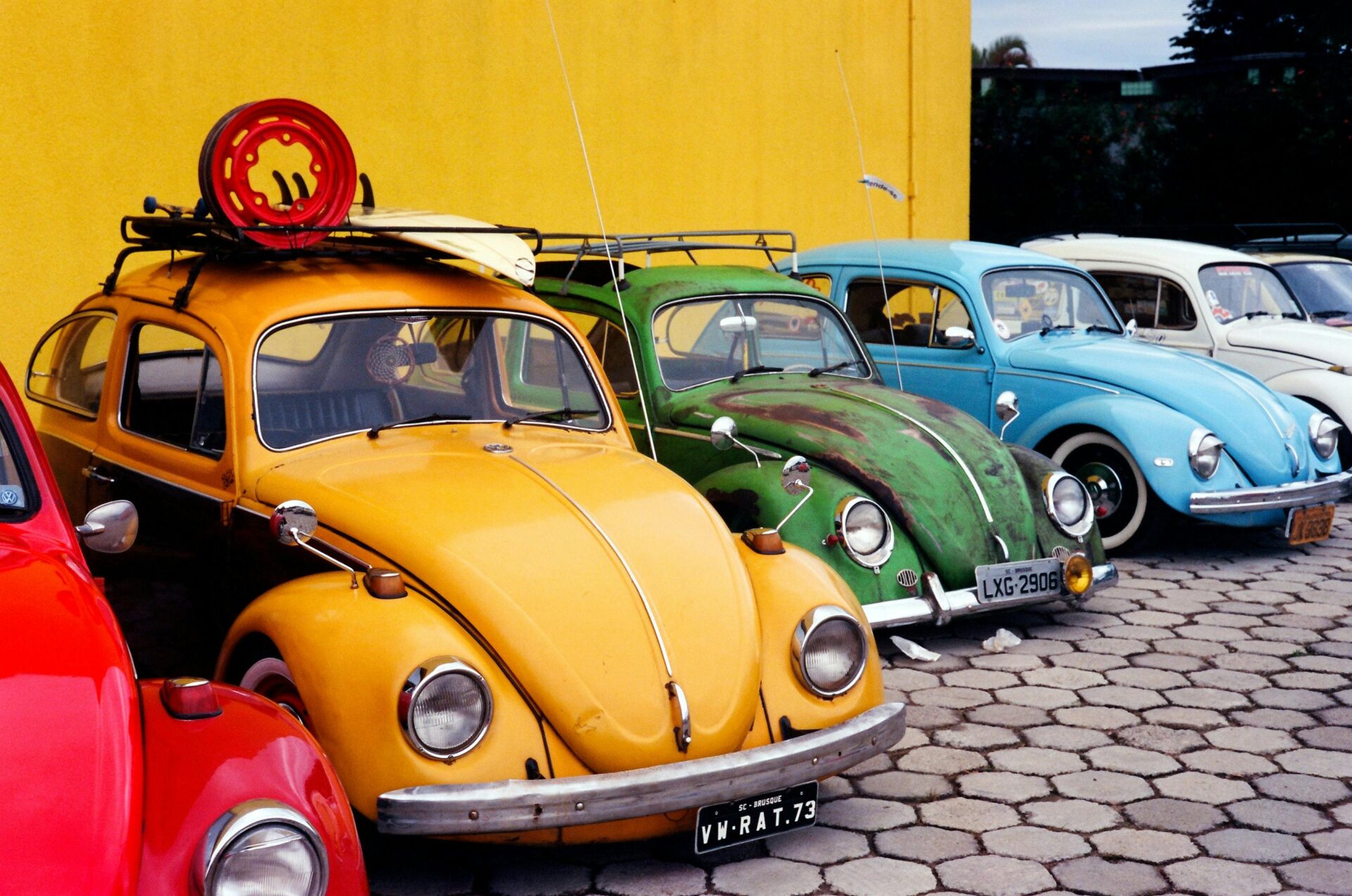
The New Beetle was met with mixed reactions. While some purists felt that it strayed too far from the original’s ethos, others appreciated its homage to the classic design. The car’s popularity surged in the early 2000s, particularly among younger drivers and those nostalgic for the original Beetle. Special editions, such as the Barbie Beetle and various convertible models, added to its appeal. Despite its initial success, the New Beetle eventually saw declining sales, leading Volkswagen to discontinue the model in 2010.
However, Volkswagen was not ready to let go of the Beetle legacy. In 2011, the company unveiled a second modern iteration simply called the Beetle. This version aimed to blend retro aesthetics with contemporary performance, featuring a sleeker design and more powerful engine options. It was marketed as a car that combined the spirit of the original Beetle with modern sensibilities. Though the final Beetle rolled off the production line in 2019, its legacy as an automotive icon remains firmly intact. Volkswagen’s commitment to timeless design and innovation is much like the enduring appeal of veteran clothing, which blends heritage with modern style.
Legacy and Enduring Impact
The Volkswagen Beetle’s legacy is unparalleled in the automotive world. Over its production history, more than 21 million units were sold, making it one of the most successful car models of all time. Its impact extends far beyond numbers, however. The Beetle represents a unique intersection of engineering ingenuity, cultural significance, and global reach. It has inspired artists, filmmakers, and designers, becoming a symbol of creativity and individuality. The Beetle’s timeless appeal continues to influence modern car culture, inspiring enthusiasts to personalize their vehicles with outlaw accessories.
In many ways, the Beetle’s story is one of resilience and adaptability. It survived its controversial beginnings, weathered economic and social changes, and evolved with the times without losing its essence. For millions of owners, the Beetle is more than just a mode of transportation; it is a companion, a statement, and a piece of history. Even as the automotive industry shifts towards electric vehicles and advanced technologies, the Beetle’s influence can still be seen in modern car design and marketing.
Collectors and enthusiasts around the world continue to celebrate the Beetle’s legacy through car shows, restoration projects, and dedicated clubs. The car’s simplicity and charm make it a favorite among classic car aficionados, ensuring that its story will be passed down to future generations. As the world looks forward to the future of mobility, the Volkswagen Beetle remains a timeless reminder of the joy and ingenuity that a well-designed car can bring. Expert restoration and customization are further enhanced by top-tier engineering services, ensuring that these iconic vehicles continue to thrive on the roads. 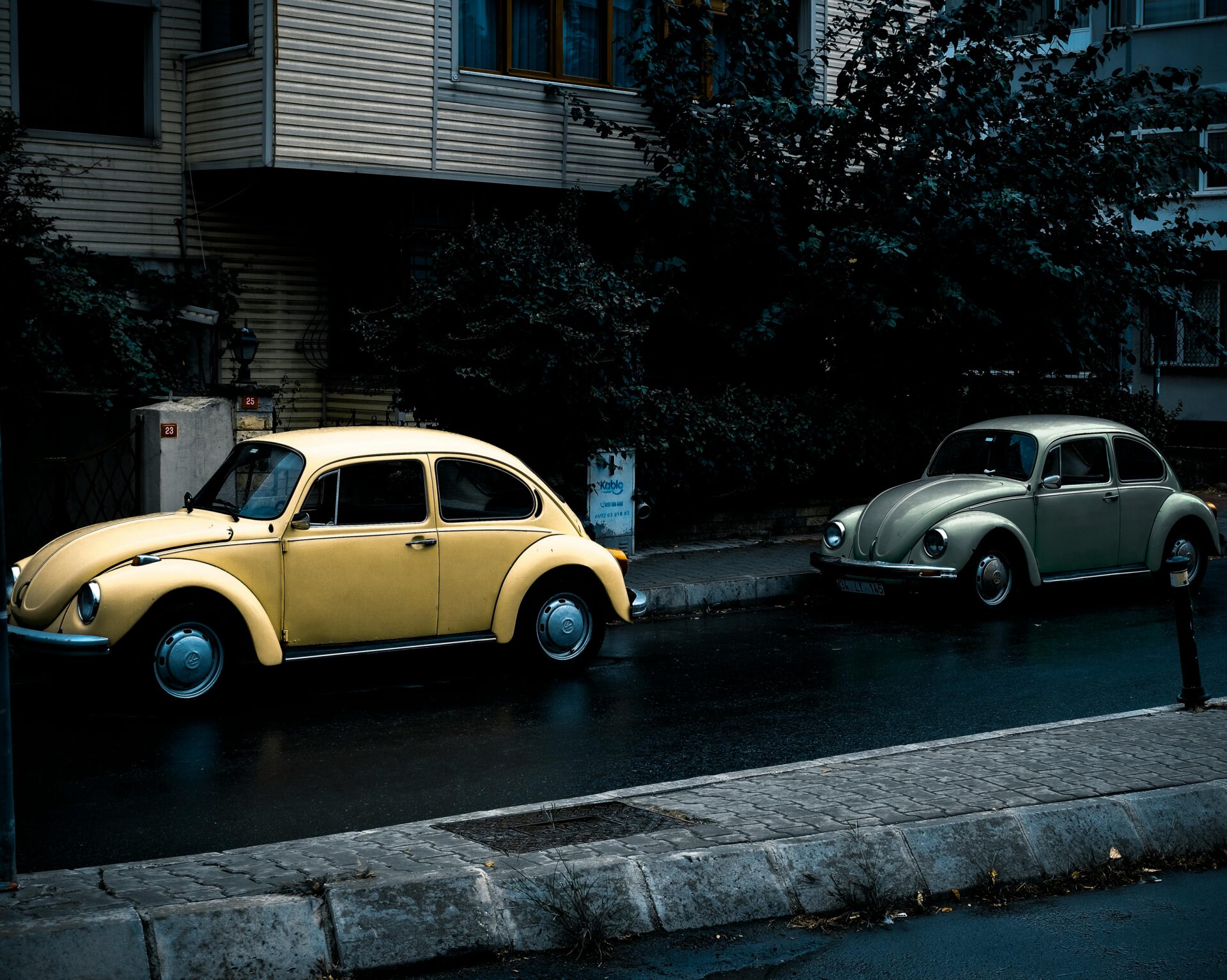
The Beetle’s journey from a utilitarian “people’s car” to a cultural and automotive icon is a story unlike any other. It broke records, defied expectations, and left an indelible mark on the world. The Volkswagen Beetle is not just a car; it is a legend, a masterpiece of design, and a testament to the enduring power of innovation and creativity. The same spirit of innovation and creativity can transform your home with kitchen cabinet painting in Halifax.