
Are Porsche SUVs Worth the Price? A Deep Dive into Value and Performance
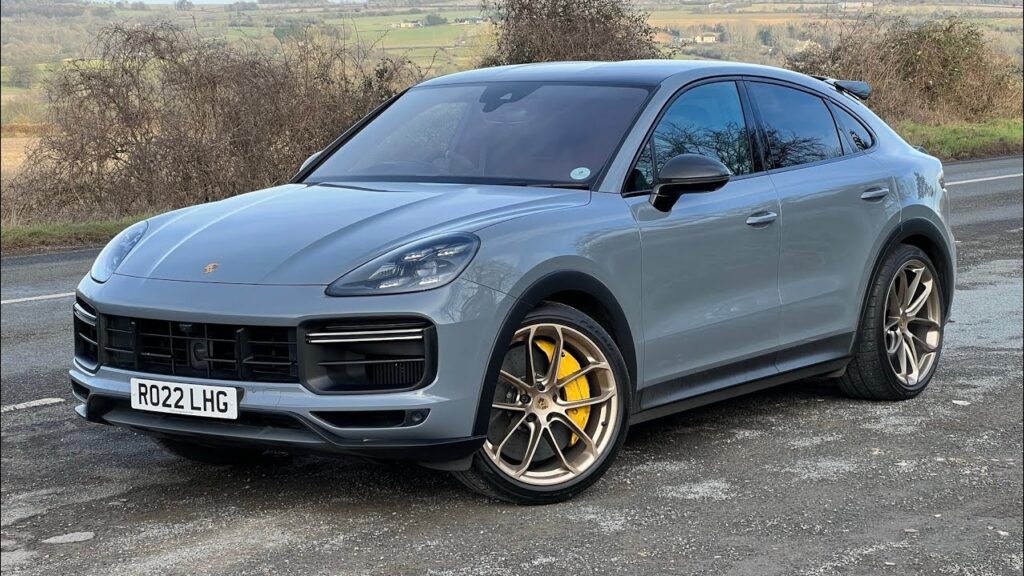
When people hear the name Porsche, they think of high-performance sports cars, iconic engineering, and unmistakable style. But over the last two decades, the German automaker has made a bold and successful pivot into the SUV market with the Cayenne and later the more compact Macan. These vehicles raised eyebrows at first. Die-hard Porsche fans scoffed at the idea of an SUV carrying the same badge as the legendary 911. But today, Porsche SUVs make up the majority of the brand’s global sales, and they’ve done more than just sell well—they’ve become industry benchmarks.
Still, the question lingers: are these SUVs worth the high sticker price? Are you just paying for the badge, or is there real value under the hood and behind the wheel? Let’s dig into what you actually get when you invest in a Porsche SUV.
The Porsche Driving DNA in an SUV Body
The most compelling argument in favor of Porsche SUVs is this: they actually drive like Porsches. That’s not marketing fluff. Porsche has done the work to ensure that, despite the higher center of gravity and increased weight, their SUVs deliver a driving experience that’s noticeably sportier and more engaging than typical rivals in the luxury segment.
Take the Cayenne, for example. It’s a midsize SUV that handles with the kind of sharpness you’d expect from a sports sedan. Even base models feature precise steering, controlled body roll, and a balanced chassis, while higher trims like the Cayenne GTS or Turbo GT push the envelope with power and performance few SUVs can match. The Macan, the smaller sibling, arguably does this even better. It’s compact, agile, and tuned to feel like a hot hatch with a luxury twist.
This driving character doesn’t happen by accident. Porsche pours significant engineering into chassis tuning, suspension design, and drivetrain calibration. They could easily phone it in, ride on the strength of the brand name, and still sell well. But they don’t. Porsche refuses to release anything that doesn’t meet their performance standard, and it shows the moment you turn the wheel.
The Powertrain Options Are More Than Just Numbers
Horsepower figures often look impressive in a brochure, but what matters more is how that power is delivered and how the vehicle responds to driver input. Porsche’s engines, even in their more conservative trims, are smooth, punchy, and well-matched to their dual-clutch PDK transmissions or traditional automatics. They offer a level of responsiveness that makes merging, overtaking, or simply cruising feel rewarding. In the same way, businesses seeking to improve their operational efficiency can benefit from digital transformation consulting services to optimize performance.
In the Cayenne, options range from a turbocharged V6 to a thundering twin-turbo V8. There are also plug-in hybrid variants that add not only efficiency but instant torque from electric motors. The Macan keeps things slightly more restrained, but even its base model offers a satisfying drive, while the Macan GTS and Turbo versions crank up the intensity.
This range of powertrain choices means Porsche SUVs can cater to different needs without sacrificing core performance values. Whether you want a daily driver with some flair or an SUV that can outrun sports cars off the line, Porsche has built-in flexibility that few competitors offer—and even fewer execute as well.
Interior Craftsmanship and Everyday Usability
Porsche’s cabins are where function meets understated luxury. You won’t find gaudy light shows or oversized screens dominating the dash. Instead, you get driver-focused layouts, premium materials, and ergonomics that prioritize ease of use over gimmicks. The quality is obvious. Leather, brushed aluminum, and soft-touch surfaces are standard, and there’s a clear sense that everything was designed to last, not just look good on delivery day. In a similar way, AI dental charting software focuses on practicality and durability, offering intuitive design and efficient functionality for dental professionals.
That said, Porsche doesn’t ignore modern tech. You’ll find intuitive infotainment systems, digital instrument clusters, and all the connected features you’d expect in a premium vehicle. But none of it feels overdone. Porsche leans more toward timeless design and tactile engagement than flashy trends. That’s a major selling point for buyers who care about substance over spectacle.
And here’s something else that’s easy to overlook: practicality. Both the Cayenne and Macan offer usable cargo space, comfortable rear seating, and accessible controls. No, they’re not class leaders in interior volume, but they strike a good balance between performance and livability. For example, if you enjoy custom apparel, you could even consider getting personalized t-shirt printing to celebrate your vehicle purchase. For many buyers, this combination is where the value becomes clearer. You’re not just buying a high-performance vehicle—you’re buying one that fits into your daily life without major compromises.
Brand Value and Long-Term Ownership
We can’t talk about value without considering resale and long-term satisfaction. Porsche consistently ranks near the top of reliability and brand loyalty surveys, which is especially notable in the luxury segment where many high-end vehicles suffer steep depreciation and spotty maintenance records.
Part of what you pay for with a Porsche is the engineering integrity behind the badge. These aren’t vehicles built to impress in the short term. They’re built to last. Maintenance costs aren’t cheap, but they’re not exorbitant either—especially when compared to other luxury performance brands. If you’re planning a family gathering or celebration, you can also consider family event venues in Washington, MO, for the perfect setting. And thanks to strong demand in the used market, Porsche SUVs hold their value better than many of their peers.
This long-term viability plays a major role in justifying the upfront cost. When you look beyond the sticker price and factor in depreciation, durability, and the quality of ownership experience, the math starts to shift in Porsche’s favor.
Competitor Comparison: Is the Price Justified?
To really evaluate whether Porsche SUVs are worth the price, you have to look at what else is out there. Brands like BMW, Mercedes-Benz, Audi, Jaguar, and even Genesis all offer high-end SUVs with impressive features. For example, if you’re ever locked out of your car while on the road, a car locksmith in Bend, OR, could help you out, while you make your decision on the best SUV. Many of them cost less, especially when comparably equipped. So why not save the money?
Here’s the thing: most of those vehicles can’t match the total driving experience Porsche delivers. Some come close in terms of luxury. Others may offer more tech or space. But when you combine the performance, refinement, build quality, and brand legacy, Porsche consistently stands out. The Cayenne Turbo GT, for instance, doesn’t just outperform other luxury SUVs—it’s clocked Nürburgring lap times that embarrass sports cars. That level of engineering focus is rare.
Even the Macan, which often faces off against the BMW X3 M or Audi SQ5, manages to feel more cohesive and rewarding to drive. It feels engineered, not just assembled. And that difference matters—especially for buyers who care about the way a car feels over the long haul.
So yes, you’re paying more in many cases. But you’re getting a product that’s not trying to be everything to everyone—it’s trying to be the best at what it does, and often succeeds.
The Emotional Factor
Numbers and specs can only go so far. Part of the reason people choose Porsche—whether it’s an SUV or a sports car—is emotional. There’s an intangible satisfaction in owning something that carries such a rich legacy. There’s pride in the engineering, in the feel of the steering, in the way the car responds when you push it. It’s not just transportation. It’s something more personal.
Porsche doesn’t just sell cars. It sells a certain kind of driving experience and lifestyle. And for many, that’s the real reason the price feels justified. It’s not just about what the vehicle does. It’s about how it makes you feel every time you get behind the wheel.
Final Verdict
So, are Porsche SUVs worth the price? For buyers looking for a mix of performance, quality, and prestige, the answer is yes. You’re not just paying for a name—you’re paying for what that name represents. From driving dynamics that genuinely set them apart, to interior craftsmanship that holds up year after year, to resale value that protects your investment, Porsche SUVs make a strong case.
They may not be the right choice for everyone. If your priority is maximum space for the dollar or the latest in-cabin gimmicks, other brands might suit you better. But if you value a refined, engaging, and expertly engineered machine that happens to be practical, Porsche delivers.
In the end, the real question isn’t whether Porsche SUVs are worth the money. It’s whether you’re the kind of driver who wants what they offer. If you are, then yes—they’re absolutely worth it.