
WHAT YOU NEED TO KNOW BEFORE BUYING A USED COMPACTOR?
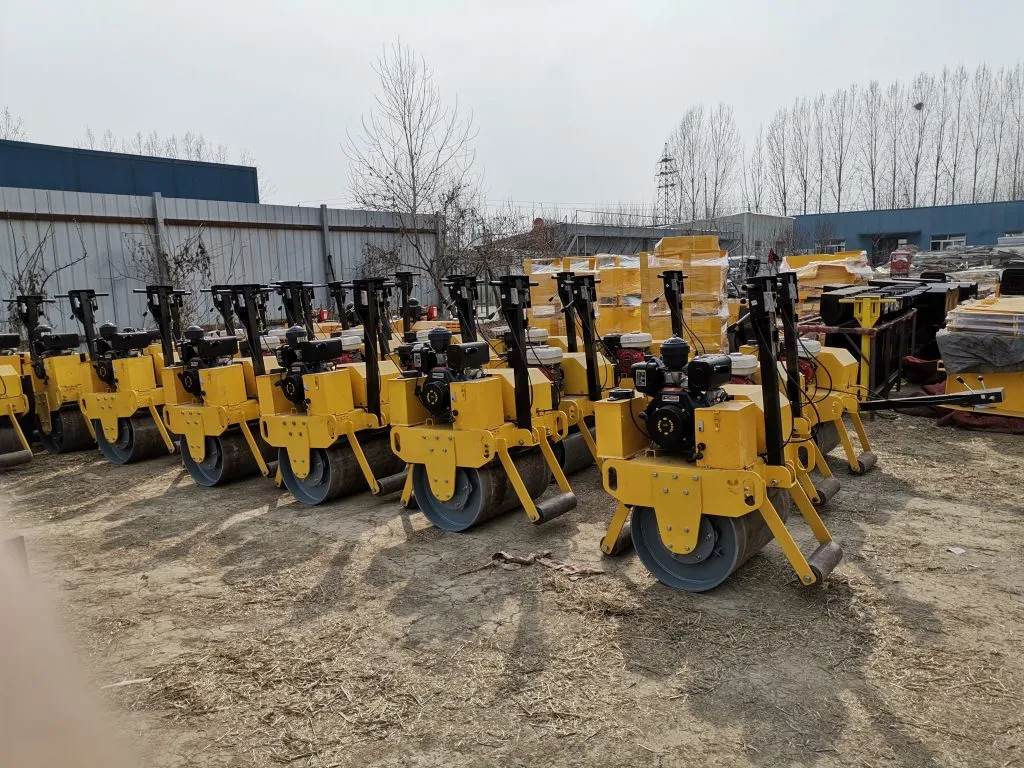
Compactors have always been a best buddy in the construction industry, especially in road building sites. However, with the increasing prices of heavy equipment in the industry, it might be difficult for construction companies to invest in the new machine. This leads them to buy used compactors. But wait? It’s common about the used equipment that comes with other challenges. What to do in this scenario?
Well, buying a used compactor needs some expert skills that will give you enough benefits in your construction projects.
Check the drum
A compactor’s paving performance is directly impacted by its drum, which is its central component. Pay attention to the drum’s condition when examining a used compactor. Keep an eye out for any indications of damage, particularly from sharp things or stones that could have harmed the smoothness. A smooth paving finish requires a high degree of smoothness. Make sure the compactor’s Padfoot attachment is intact and free of dents or other damage if it has one. When evaluating a cat 950F loader for sale, meticulous inspection ensures that the equipment meets your quality standards.
Don’t forget to check the Tires
Any heavy machinery, including compactors, needs tires to operate properly. Examine the tires carefully to determine the tread depth and quality. To maximize the capabilities of compactors for sale, they must have tires that are both smooth and well-maintained. Examine the tires for any cuts, cracks, or wear indicators that might point to the need for replacement.
Engine inspection is a must
The performance and dependability of the compactor are significantly impacted by the kind and state of the engine. Ascertain if the engine is water- or air-cooled. Older models may still use air-cooled engines, even though water-cooled engines are more prevalent and appropriate for a variety of situations. Verify the condition of all parts, including the fuel system and pressure gauge, and look for any indications of wear, leaks, or cracks.
Have you added the hydraulic framework check to the list?
The operation of the compactor depends on the hydraulic system. Check for leaks, cracks, and dents on hydraulic cylinders. To stop fluid leaks, all hydraulic tubes need to be securely sealed. Costly hydraulic failures are avoided and effective operation is ensured by a well-maintained hydraulic system.
The cab is the crucial part to inspect
When your operator is comfortable, he will better perform on the ground. While looking for a used compactor for sale, make sure you visit the cabin from inside. Check everything you see in the cab and ensure it is undamaged. This inspection might include the lights, alarms, horns, gauges, and seat belts.
Assess the aesthetic and outer surface
Finally, it is time to take a thorough look at the cab’s exterior. Examine the structure for overall structural integrity, welded sections, body damage, and rust. The lifetime and functionality of the equipment are influenced by a well-maintained exterior, which denotes appropriate care and maintenance.
Takeaway
If you purchase a used compactor with caution and a close examination, it can prove to be a wise investment. Before making a purchase, consider the operator cabin functionality, hydraulic system, engine type and condition, articulated joints, tire quality, operator cabin condition, and external condition. You can make sure the used compactor satisfies your paving criteria and performs at its best on the construction site by keeping an eye on these elements.