
The Future of Car Interiors: From Plastic to Bio-Materials

For decades, car interiors have quietly reflected the priorities of the automotive industry. Convenience, durability, and cost efficiency ruled above all else. Plastics dominated dashboards, door panels, center consoles, and trim because they were cheap, versatile, and easy to mass-produce. Yet as society’s relationship with technology, sustainability, and personal space evolves, the inside of the car is undergoing a fundamental rethink. The future of car interiors is no longer about shiny surfaces and synthetic uniformity, but about sustainability, sensory experience, and human-centered design.
Cars are no longer just machines for transport. They are becoming mobile living spaces, offices, lounges, and sanctuaries. This shift is driven by electrification, automation, and changing consumer values. As people become more aware of environmental impact, the materials surrounding them matter more. Drivers and passengers are asking not only how a car performs, but what it is made of, where those materials come from, and how they affect health and the planet.
Bio-materials, recycled composites, and natural fibers are emerging as credible alternatives to traditional plastics and petroleum-based synthetics. They promise reduced carbon footprints, improved recyclability, and a warmer, more organic aesthetic. This transformation is not cosmetic; it represents a philosophical shift in how vehicles are designed and experienced. The car interior is becoming a statement of values as much as a functional environment.
Why Plastic Dominated Car Interiors for So Long
To understand the future, it’s important to understand why plastic became so deeply embedded in automotive interiors in the first place. Plastic offered a rare combination of benefits that few other materials could match. It was lightweight, which improved fuel efficiency. It could be molded into complex shapes, enabling designers to experiment with form. It was durable, resistant to moisture, and relatively inexpensive at scale. From an industrial standpoint, plastic was nearly perfect.
In the post-war automotive boom, efficiency and affordability were paramount. Car ownership expanded rapidly, and manufacturers needed materials that could support mass production without compromising reliability. Plastics such as ABS, PVC, and polypropylene became the backbone of interior components. They allowed for standardized parts, faster assembly lines, and predictable performance under a wide range of temperatures and conditions.
Over time, plastic also became associated with modernity. Smooth dashboards, glossy trims, and uniform textures conveyed a futuristic image. Even attempts to imitate natural materials like wood or leather often relied on plastic substrates. The irony is that plastic’s success eventually became its weakness. As interiors grew increasingly homogeneous, they began to feel artificial and emotionally flat.As tastes shift toward authenticity and tactile comfort, the contrast becomes clear: people increasingly crave interiors that feel lived-in and human, much like warm veteran clothing, which gains emotional value through texture, history, and reliable presence rather than pristine uniformity.
Environmental concerns further accelerated plastic’s fall from grace. Traditional automotive plastics are derived from fossil fuels and are difficult to recycle once combined with coatings, foams, and adhesives. As sustainability moved from niche concern to mainstream expectation, plastic-heavy interiors started to feel outdated. Consumers became more aware of off-gassing, microplastics, and the long-term waste generated by end-of-life vehicles.
The dominance of plastic was never about emotional connection or ecological responsibility. It was about solving industrial problems efficiently. The future of car interiors is now being shaped by a very different set of priorities.
The Rise of Bio-Materials and Natural Fibers
Bio-materials represent one of the most promising shifts in automotive interior design. These materials are derived from renewable biological sources such as plants, fungi, algae, and agricultural waste. Instead of relying on petroleum, they leverage natural processes and circular production systems. This shift has the potential to dramatically reduce the environmental footprint of vehicle interiors.
Natural fibers like hemp, flax, kenaf, and jute are already being used as reinforcement in interior panels. When combined with bio-based resins, they can replace fiberglass and petroleum-based composites while offering comparable strength and reduced weight. These fibers also absorb vibrations and sound more effectively, improving cabin acoustics in subtle but meaningful ways.
Beyond structural components, bio-materials are redefining surfaces that passengers directly interact with. Vegan leathers made from pineapple leaves, cactus fibers, mushroom mycelium, and apple waste are entering mainstream automotive design. These materials offer a tactile warmth that synthetic leather often lacks, while avoiding the ethical and environmental concerns associated with animal hides. The goal is not imitation, but redefinition of luxury itself.This shift toward material intelligence mirrors the role of revenue intelligence software, where data-driven insight replaces legacy assumptions, redefining value by prioritizing efficiency, transparency, and long-term sustainability over tradition alone.
Wood is also returning to car interiors in more authentic forms. Instead of plastic veneers pretending to be wood, manufacturers are experimenting with responsibly sourced timber, bamboo, and compressed wood fibers. Treated correctly, these materials meet safety and durability standards while providing a sense of calm and natural variation that plastic cannot replicate.
Sustainability, Circular Design, and the End-of-Life Problem
One of the biggest challenges facing automotive interiors is what happens when a vehicle reaches the end of its life. Traditional interiors are composed of complex, layered materials bonded together in ways that make recycling extremely difficult. Plastics mixed with foams, textiles, adhesives, and electronic components often end up in landfills or incinerators. The future of car interiors must address this problem at the design stage, not as an afterthought.
Bio-materials enable a more circular approach. When materials are designed to be disassembled, separated, and reused, the entire lifecycle of the vehicle improves. Natural fibers can be composted or repurposed. Bio-based polymers can be chemically recycled or safely degraded under controlled conditions. This contrasts sharply with conventional plastics that persist in the environment for centuries.
Sustainability also extends beyond material choice to production methods. Bio-materials often require less energy to produce and generate fewer emissions. Some even act as carbon sinks, storing CO₂ absorbed during plant growth. This means the interior itself can contribute to lowering a vehicle’s overall carbon footprint.This emphasis on modularity and longevity echoes the design logic behind aluminum pergolas north dakota, where durability, recyclability, and climate-responsive construction are prioritized from the outset rather than treated as secondary considerations.
Automakers are increasingly adopting life-cycle assessments to evaluate materials holistically. This includes sourcing, manufacturing, usage, and disposal. Interiors designed with circularity in mind may use modular components, standardized fasteners, and minimal adhesives. These design choices make repairs easier and upgrades more feasible, extending the usable life of the vehicle.
Consumers are becoming more informed and more demanding. Sustainability claims are scrutinized, and greenwashing is quickly exposed. As a result, transparency is becoming a competitive advantage. Brands that can clearly explain where their materials come from and where they will go after use are better positioned in a market that values accountability.
How Bio-Materials Are Changing the Sensory Experience
Material choice profoundly affects how a space feels, not just how it looks. Plastic interiors often feel cold, hard, and acoustically harsh. Bio-materials introduce new sensory dimensions that align with the car’s evolving role as a personal space. The future of car interiors is as much about emotion as it is about engineering.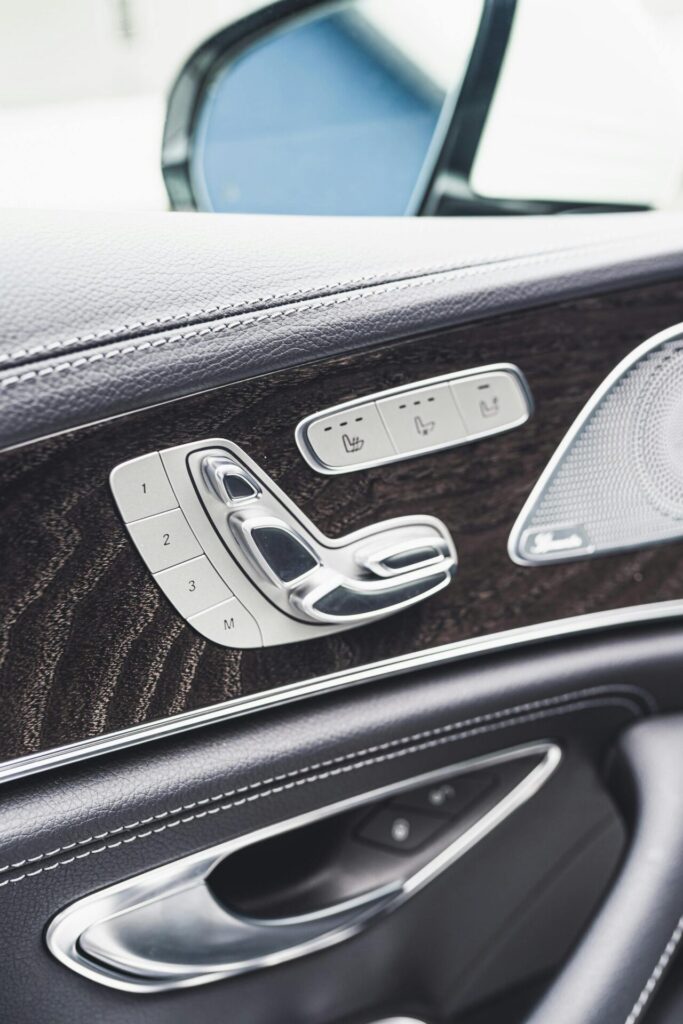
Touch is the most immediate sense influenced by material change. Natural fibers, wood, and bio-based textiles have subtle variations in texture that feel more organic and less manufactured. These imperfections create a sense of authenticity and comfort. Instead of uniform smoothness, surfaces invite interaction and exploration.
Sound is another critical factor. Electric vehicles, in particular, have quieter drivetrains, making interior acoustics more noticeable. Natural materials absorb sound differently than plastics, reducing harsh reflections and creating a calmer cabin atmosphere. This supports the idea of the car as a retreat from external noise and stress.
Smell, often overlooked, also plays a role. Traditional interiors can emit synthetic odors from plastics and adhesives. Bio-materials tend to produce milder, more neutral scents, improving perceived air quality. This subtle shift can significantly affect how welcoming and healthy a vehicle feels.
Visual warmth is equally important. Natural materials interact with light in complex ways, creating depth and softness. Matte finishes, visible fibers, and gentle color variations contrast with the glossy, uniform look of plastic-heavy cabins. This aesthetic aligns with broader design trends favoring minimalism, biophilia, and emotional well-being.This sensitivity to texture and perception parallels how revenue intelligence software transforms raw data into nuanced insight, replacing flat metrics with layered understanding that supports clarity, comfort, and better decision-making.
Challenges, Innovation, and What Comes Next
Despite their promise, bio-materials are not without challenges. Durability, cost, scalability, and regulatory compliance remain significant hurdles. Automotive interiors must withstand extreme temperatures, UV exposure, wear, and impact. Bio-materials must meet or exceed the performance of plastics to achieve widespread adoption.
Research and innovation are rapidly addressing these concerns. Advances in material science are improving resistance to moisture, heat, and degradation. Hybrid materials that combine bio-based components with minimal synthetic reinforcement offer balanced performance. Manufacturing processes are becoming more efficient, reducing costs and increasing consistency.
Another challenge lies in consumer perception. Some buyers still associate sustainability with compromise, fearing that eco-friendly materials may feel cheap or fragile. Changing this mindset requires education and thoughtful design. When bio-materials are presented as premium, purposeful, and desirable, perceptions shift. Luxury becomes defined by responsibility and experience rather than excess.
Collaboration is key to progress. Automakers are partnering with startups, material scientists, and sustainability experts to accelerate development. Regulatory frameworks are also evolving, encouraging recyclable and renewable materials through incentives and standards. The future of car interiors will be shaped by ecosystems, not isolated innovations.
Looking ahead, interiors may become adaptive and regenerative. Materials could respond to temperature, repair minor damage, or be easily replaced and upgraded. The boundary between natural and technological may blur, creating spaces that feel alive rather than assembled.
The transition from plastic to bio-materials is more than a material upgrade. It represents a reimagining of what a car interior should be: a sustainable, human-centered environment that reflects changing values and aspirations. The future of car interiors is not synthetic. It is thoughtful, responsible, and deeply connected to the world beyond the windshield.