
The Cultural Impact of the Nissan GT-R: Godzilla’s Place in Car Enthusiast History
The Rise of Godzilla: From Japanese Streets to Global Fame
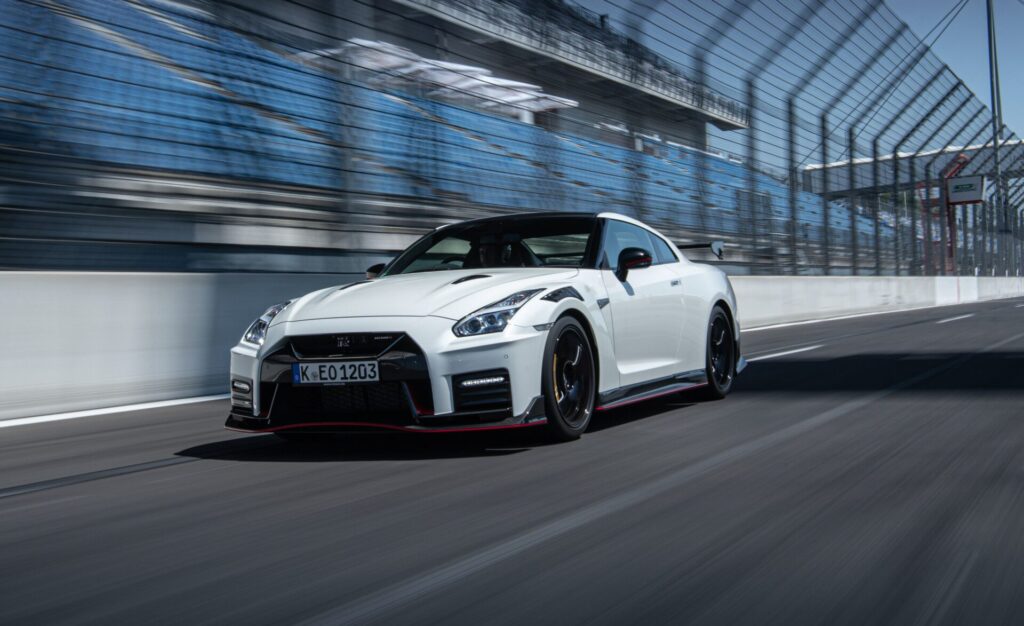
When most car enthusiasts hear the name “Godzilla,” their minds immediately shift to the monstrous power lurking beneath the hood of the Nissan GT-R. But Godzilla is more than just a nickname—it represents a cultural phenomenon, a car that transcended engineering excellence to become a symbol of Japanese innovation and global automotive dominance. Introduced in 1969 as the Skyline GT-R, the car earned its stripes as a high-performance machine capable of competing on both the racetrack and the open road. Its evolution over decades has cemented its reputation as one of the most iconic Japanese sports cars, influencing car culture far beyond its homeland.
The GT-R’s reputation for precision engineering, aggressive styling, and breathtaking speed made it an instant favorite among enthusiasts. Yet, the nickname “Godzilla”—coined by the Australian car magazine Wheels in 1989—gave the car a mythic stature, perfectly capturing its blend of raw power and awe-inspiring presence. The moniker resonated not just with drivers, but with an entire generation of car fans who admired its dominance in motorsports and street culture alike. Beyond its technical specifications, Godzilla became a cultural statement, a symbol of the daring ambition and ingenuity that defined Japan’s automotive renaissance during the late 20th century.

Engineering That Commands Respect
The cultural impact of the GT-R cannot be separated from its engineering pedigree. Every generation of GT-R has pushed the envelope of automotive technology. The R32, the car most closely associated with the Godzilla nickname, introduced the revolutionary ATTESA E-TS all-wheel-drive system and the RB26DETT twin-turbocharged inline-six engine, a combination that allowed the car to dominate touring car championships worldwide. This blend of technology and performance elevated the GT-R beyond a mere sports car—it became a standard-bearer for Japanese engineering excellence.
The GT-R’s engineering innovations were not just about speed—they were about control, precision, and adaptability. Enthusiasts admired the car for its ability to harness immense power with a level of sophistication previously unseen in production vehicles. It was as much a technological marvel as it was a performance monster. The car’s balance of form and function, from aerodynamics to drivetrain design, contributed to its almost mystical appeal. Engineers and drivers alike praised its seamless integration of mechanics and electronics, making Godzilla both a tool for mastering the racetrack and a testament to what a well-engineered car could achieve.
Godzilla in Motorsports: Dominance on the Track
No discussion of the GT-R’s cultural significance would be complete without acknowledging its motorsports legacy. The R32, R33, and R34 GT-Rs were dominant forces in the Japanese Touring Car Championship (JTCC) and other international competitions. The nickname Godzilla became synonymous with crushing competition, inspiring reverence and even fear among rival drivers. Winning races consistently, the GT-R not only elevated the Nissan brand but also helped shape the perception of Japanese cars as serious contenders on the global stage.
The motorsport heritage of the GT-R cultivated a unique culture among fans. Ownership of a GT-R became more than a personal passion—it was a badge of honor. Fans celebrated the car in magazines, car meets, and forums, creating a community that revered the Godzilla name. The GT-R’s presence in racing also influenced popular culture, appearing in video games, movies, and even music videos, further embedding itself in the collective consciousness of car enthusiasts worldwide. Stories of the GT-R beating far more expensive European rivals became legendary, fueling myths and inspiring countless car enthusiasts to pursue their own high-performance dreams.

Pop Culture and the GT-R Phenomenon
The GT-R’s leap from racetracks to the silver screen solidified its cultural impact. Movies like Fast & Furious introduced global audiences to the car’s performance capabilities, while video games such as Gran Turismo and Need for Speed allowed enthusiasts to experience the thrill of Godzilla from their living rooms. These appearances elevated the GT-R from an automotive icon to a pop culture phenomenon, making it recognizable even to people who had never set foot in a car show.
What made the GT-R truly stand out in pop culture was its mythic aura. Unlike many other high-performance cars, it wasn’t just a luxury item or a symbol of wealth. Godzilla represented attainable performance, a car that, in the hands of a skilled driver, could challenge the world’s best. Its cultural significance lies in this accessibility paired with legendary status—a rare combination that few cars achieve. It wasn’t uncommon for car enthusiasts in the 1990s to memorize engine specifications, watch import car magazines religiously, or queue for hours at auto shows just to catch a glimpse of the latest GT-R release. The car’s image transcended the automotive realm, becoming a cultural icon of ambition, precision, and performance.
Tuning Culture: Godzilla as a Canvas
Another facet of the GT-R’s cultural impact is its central role in tuning and modification culture. Enthusiasts have treated the GT-R as a blank canvas for decades, pushing its engines far beyond factory specifications. From modest bolt-on upgrades to mind-bending builds producing over 1,000 horsepower, Godzilla has become synonymous with performance experimentation. This tuning culture has fostered a sense of community, where knowledge and experience are shared freely among enthusiasts across the globe.
The GT-R’s adaptability has also influenced other areas of car culture. It has inspired countless replicas, merchandise, and themed events, creating a cultural ecosystem around the car. This goes beyond mere admiration; it’s a celebration of mechanical art and human creativity, with Godzilla at its center. In cities across Japan, the U.S., and Europe, GT-R clubs have formed tight-knit communities, holding meets and racing events that serve as both social gatherings and showcases of engineering mastery. Each modified GT-R tells a story, reflecting its owner’s creativity, ambition, and respect for the Godzilla legacy.
The Global Impact of a Japanese Legend
Though the GT-R began as a Japanese performance car, its influence has become global. In Europe and North America, car enthusiasts revere the GT-R for its engineering excellence, competitive pricing compared to European supercars, and unparalleled tuning potential. It has become a benchmark for performance, influencing car design philosophies and inspiring competitors to innovate. Godzilla is not just a car—it’s a cultural ambassador for Japanese automotive ingenuity.
This global recognition also feeds back into Japanese car culture. Domestic pride in the GT-R has fueled media coverage, fan events, and collectible markets, elevating its status from mere machine to national icon. The GT-R’s story is a testament to how engineering, design, and performance can converge to create a vehicle that resonates far beyond its mechanical specifications. Enthusiasts often view owning a GT-R as an education in automotive history, engineering, and culture—a way to connect with decades of racing legacy and innovation in a tangible form.
Ownership as an Experience
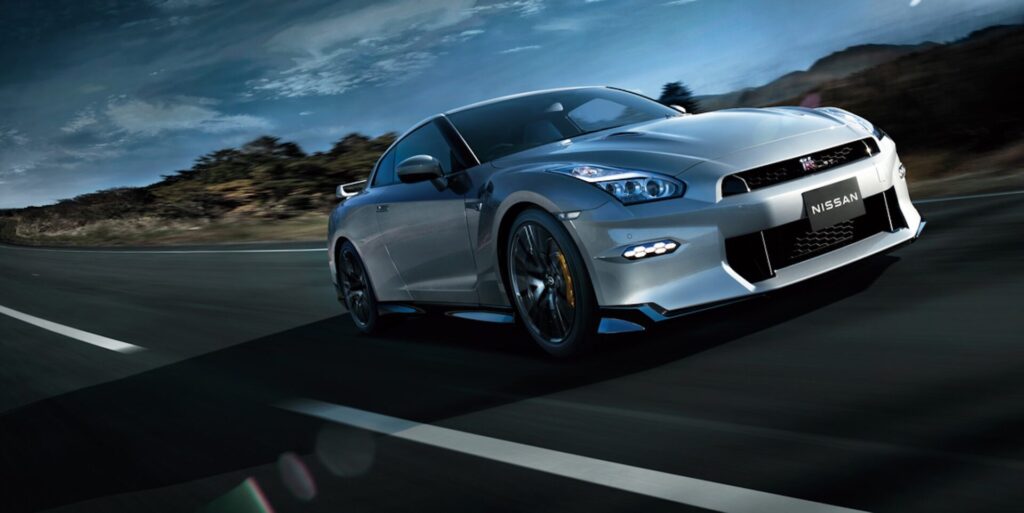
Owning a GT-R is more than possessing a high-performance vehicle—it’s participating in a cultural phenomenon. Enthusiasts often describe the car as having a personality, a presence that commands respect both on the road and among peers. The sense of community surrounding the GT-R, from online forums to car meets and motorsport events, creates a cultural environment that few other cars achieve. It’s a shared experience, a collective celebration of engineering, speed, and innovation.
Furthermore, each generation of the GT-R carries its own identity. The R32 earned the Godzilla nickname and respect on the racetrack. The R34 brought technology and styling to a new level, while the R35 modernized the legend for a global audience, incorporating advanced electronics and turbocharged power. Each evolution has added layers to the cultural narrative, ensuring that Godzilla remains relevant for enthusiasts of all ages. Owning one is not just a statement of taste; it’s a declaration of respect for a legacy that blends speed, technology, and artistry in equal measure.
Godzilla and the Spirit of Japanese Automotive Innovation
The GT-R is more than an impressive machine—it’s a symbol of Japanese automotive ambition. From the earliest Skylines to today’s R35, Nissan has consistently challenged global competitors, proving that innovation can come from anywhere. Godzilla represents the spirit of pushing boundaries, of engineering excellence meeting unbridled performance, and of a culture that prizes precision, creativity, and technical mastery. It embodies a philosophy where attention to detail is as important as raw horsepower, and where reliability and control matter just as much as speed.
In a world saturated with fleeting automotive trends, the GT-R has remained a constant. Its enduring appeal lies in its ability to evolve without losing its identity, balancing technological sophistication with visceral driving excitement. Godzilla is not a relic; it’s a living legend, constantly inspiring a new generation of engineers, designers, and car enthusiasts to dream bigger and push further.
The GT-R Legacy in Car Enthusiast History
Ultimately, the Nissan GT-R is more than a car—it’s a symbol of aspiration, innovation, and community. Its impact on car culture is undeniable, from shaping perceptions of Japanese engineering to influencing global automotive trends. Godzilla’s place in car enthusiast history is secured not by speed alone, but by its ability to inspire passion, creativity, and admiration.
For many, the GT-R embodies the dream of harnessing raw power with finesse, a machine where engineering meets emotion. It has become a cultural touchstone, a car that enthusiasts discuss, modify, and celebrate across generations. In a world where automotive icons come and go, Godzilla stands as a testament to what happens when performance, design, and cultural resonance align perfectly.