
From Steel Beasts to Tin Soldiers: How WWII Changed Car Bodies
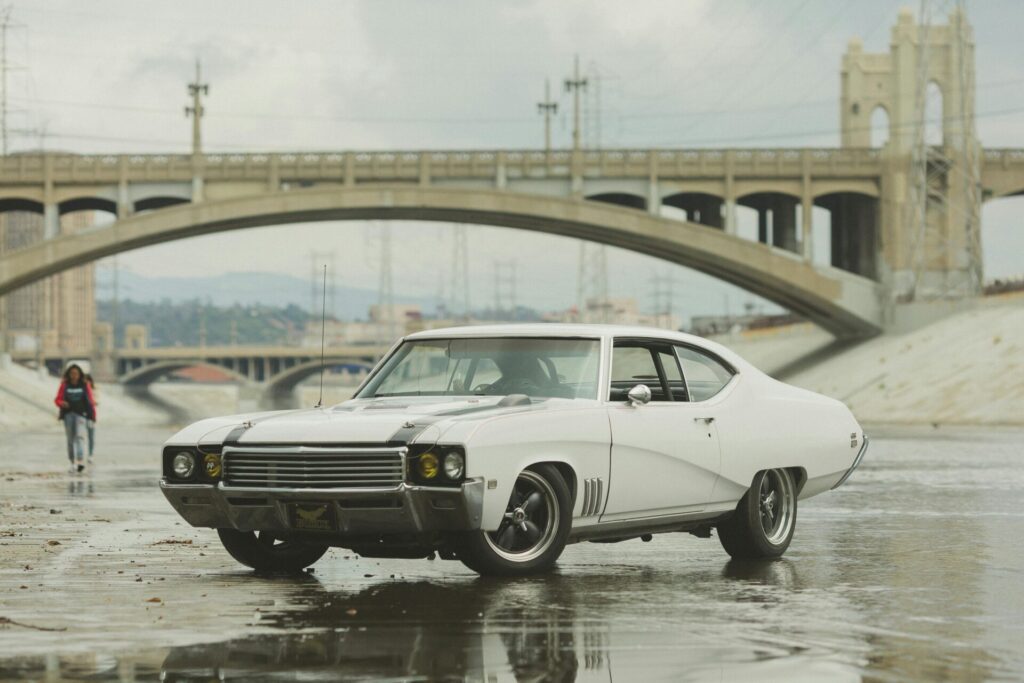
World War II was a defining moment not only for global politics and society but also for the industrial and technological evolution of many fields—especially the automotive industry. Cars, once symbols of luxury, status, and freedom, were deeply affected by wartime demands and the shifting priorities of manufacturing. The transformation of car bodies during and after WWII tells a fascinating story of resource scarcity, innovation, and adaptation. From the massive, robust steel-bodied vehicles known as the “steel beasts” of the pre-war era to the lighter, more economical “tin soldiers” that followed, WWII fundamentally reshaped how cars were built, designed, and perceived.
Understanding the ways the war influenced the construction and design of car bodies sheds light not only on automotive history but also on broader trends in materials science, manufacturing processes, and economic shifts that continued long after the guns fell silent. This article explores the profound changes wrought by WWII on car bodies, examining the interplay of material shortages, technological advances, and evolving consumer needs that led to a radical transformation of the automobile. Collectors and enthusiasts often celebrate this era by wearing graphic veteran t-shirts that pay homage to the period’s impact on design and culture.
The Pre-War Era: The Rise of the Steel Beasts
Before World War II, cars were typically large, heavy, and built to impress. The dominance of steel in car manufacturing during the 1920s and 1930s earned these vehicles the nickname “steel beasts” because of their substantial weight and robust construction. Steel was the ideal material at the time—strong, durable, and relatively easy to mass-produce. It allowed manufacturers to build cars with thick panels, sturdy frames, and imposing grilles, which were as much a statement of industrial power as they were functional components.
The automotive industry in the pre-war period had established assembly line techniques, pioneered by companies like Ford, which enabled faster production of steel-bodied cars. The designs often emphasized durability and luxury. For instance, American cars of the 1930s typically weighed upwards of 3,000 pounds, featuring heavy steel chassis and body panels, chrome accents, and intricate details.
However, the reliance on steel had its drawbacks. Steel was heavy, which reduced fuel efficiency and increased wear on tires and brakes. Yet, fuel economy was less of a concern during this time due to relatively low fuel prices and a cultural focus on style and status. Manufacturers prioritized aesthetics and robustness over efficiency.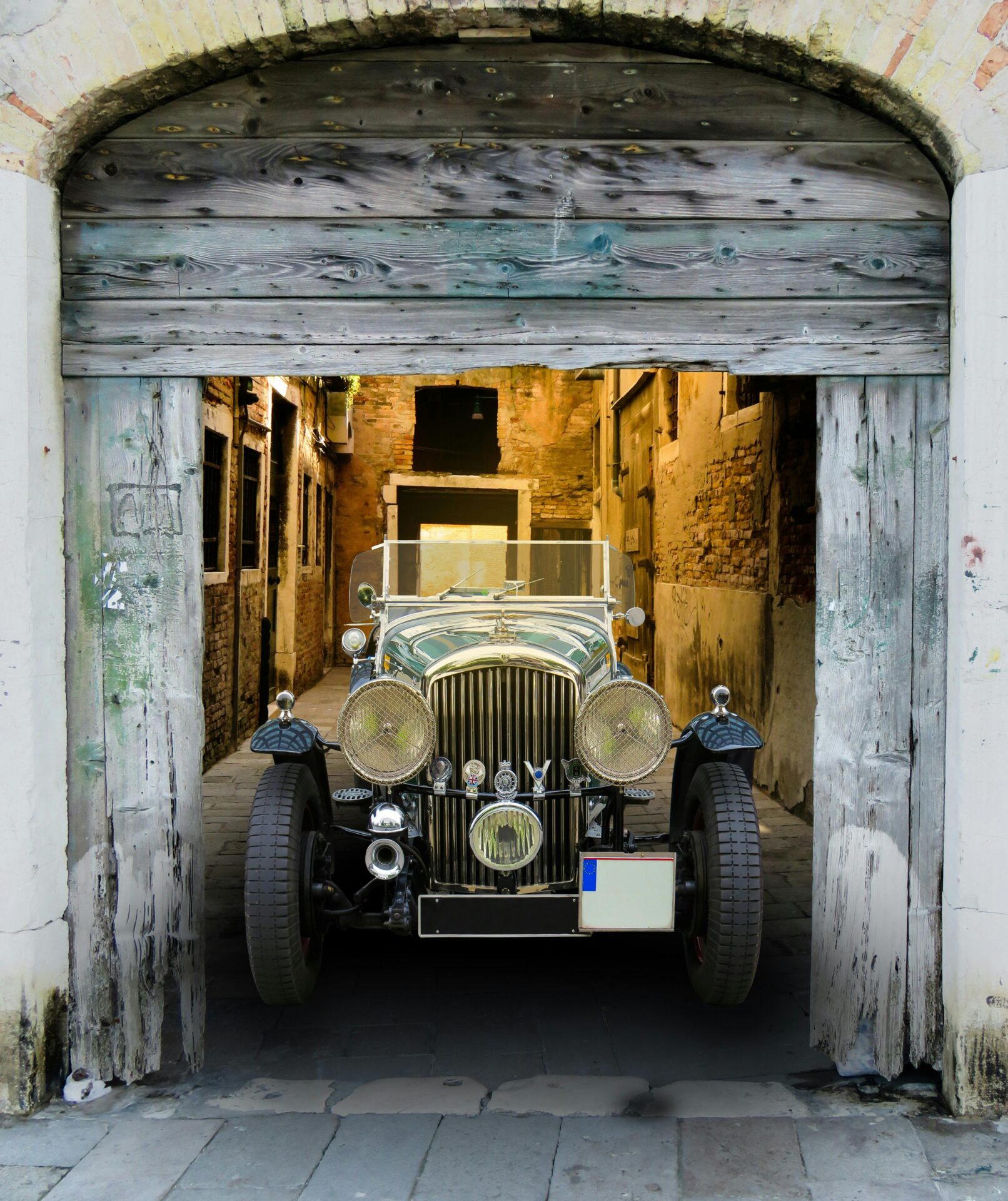
As tensions in Europe grew and war loomed, the automotive industry began to shift focus, but the pre-war period remains marked by these “steel beasts” — vehicles that embodied the strength and optimism of a growing industrial economy.
Wartime Constraints: The Shift to Scarcity and Innovation
The outbreak of World War II in 1939 marked a dramatic shift in the availability of materials and the priorities of manufacturing worldwide. Steel, once abundant and taken for granted in car production, became a critical strategic resource tightly controlled by governments and allocated primarily for military use. Tanks, battleships, aircraft, and armaments took precedence, leaving the civilian automotive industry starved of raw materials.
Automobile production in many countries was heavily curtailed or halted altogether to redirect factories toward the war effort. In the United States, for example, mass car production ceased from 1942 to 1945, and many manufacturers converted their plants to produce military vehicles, aircraft engines, and other war materiel.
For those vehicles that were still produced, such as military trucks or essential civilian vehicles, the war forced innovation and adaptation. Steel shortages led manufacturers to experiment with alternative materials and construction techniques, laying the groundwork for post-war automotive design changes.
One of the most significant shifts was the use of lighter metals and composites. Aluminum, which was critical for aircraft production, saw increased use, and in some cases, steel was replaced or supplemented with aluminum body panels to save weight and conserve steel. Wood and plywood also made a comeback, reminiscent of pre-steel coachbuilding days, especially in countries like the United Kingdom and Germany, where resource shortages were acute.
Additionally, wartime constraints encouraged manufacturers to simplify designs, reduce ornamentation, and eliminate non-essential components to save material and labor. This minimalist approach contrasted sharply with the pre-war era’s emphasis on luxury and decoration. Cars produced during the war or immediately after often featured flatter panels, fewer chrome details, and less complex body shapes.
Even the paints and finishes changed, with wartime vehicles often sporting matte, utilitarian colors designed for camouflage or durability rather than style. The automotive industry’s wartime transformation was both a response to scarcity and a crucible of innovation that would influence car bodies for decades.
Post-War Recovery: From Heavy Steel to Lightweight Tin Soldiers
When the war ended in 1945, the world was eager for peace, prosperity, and new consumer goods, including cars. However, the automotive landscape had been irrevocably altered. The “steel beasts” of the pre-war era were no longer economically or practically viable in a world recovering from conflict and adjusting to new realities.
Post-war cars began to shift towards lighter, more economical designs—sometimes derisively called “tin soldiers” because of their thinner steel panels and simplified construction. This transformation was driven by several factors: material shortages persisted in the immediate post-war years, fuel economy became a more important consideration due to rising prices and rationing experiences, and new manufacturing technologies allowed for different approaches to car body design.
One of the most notable changes was the transition from heavy body-on-frame construction to more integrated unibody or monocoque designs. These new approaches used thinner steel panels more efficiently and created lighter yet structurally sound vehicles. Unibody construction improved rigidity and safety while reducing weight, a fundamental shift from the bulky chassis and body separation common before the war.
The use of alternative materials also continued and expanded. Aluminum, plastics, and other composites gradually made their way into car bodies and components, helping to reduce weight further. For instance, some sports cars and luxury models adopted aluminum body panels to improve performance.
Consumer preferences also evolved. The austerity of wartime had altered public tastes, and cars became more about function, economy, and mass accessibility rather than pure opulence. Streamlined designs, simpler interiors, and a focus on efficiency characterized much of the 1950s automotive boom.
At the same time, manufacturers invested in new stamping and welding techniques, allowing for greater precision and more consistent production with thinner materials. This technological progress was critical in transitioning from the “steel beasts” to the leaner, more efficient “tin soldiers.”
Cultural and Economic Impacts: Shaping the Future of Car Design
The changes to car bodies during and after WWII were not purely technical or material; they had profound cultural and economic consequences that shaped the future of the automobile and society’s relationship with it.
The war accelerated the move toward mass production and standardization in the automotive industry. Governments had demonstrated how to organize and direct industrial resources efficiently during wartime, and manufacturers adopted similar strategies to meet the surging post-war demand for affordable vehicles. This shift democratized car ownership, moving it away from a symbol of luxury toward a necessity for the average family.
Lighter car bodies meant better fuel efficiency, aligning with broader social shifts toward environmental awareness and cost-consciousness. The war had exposed many to fuel rationing and shortages, making efficient cars more desirable. This paved the way for compact cars, economy models, and eventually, the massive growth of small and midsize cars in the decades to come.
Stylistically, the post-war period saw the emergence of sleek, aerodynamic shapes influenced by aviation and military design. The streamlined, futuristic look was a break from the heavy, ornate vehicles of the past. This new aesthetic reflected optimism, progress, and a forward-looking vision that resonated with consumers in the 1950s and beyond.
In a broader sense, the transformation from “steel beasts” to “tin soldiers” symbolizes the resilience and adaptability of both industry and society. The automotive industry’s ability to pivot from opulent, heavy vehicles to efficient, affordable cars helped lay the foundation for the modern global car culture we know today.