
The Role of Small Cars in Sustainable Urban Planning

Sustainable urban planning has become an essential consideration for cities around the world as they grapple with the challenges of population growth, traffic congestion, and environmental degradation. In this quest for sustainability, small cars have emerged as a practical and innovative solution to many of these issues. By combining efficiency, affordability, and reduced environmental impact, small cars play a critical role in transforming urban transportation systems to meet the demands of modern living. Their impact extends beyond personal convenience, influencing city planning, public health, and climate change mitigation strategies.
Small Cars and Space Efficiency in Urban Areas
Urban centers are defined by their limited space, which is often under pressure from growing populations and increasing vehicle use. In this context, small cars provide an efficient alternative to larger vehicles, offering compact dimensions that reduce the spatial demands of transportation. Traditional city designs were not meant to accommodate the sheer number of vehicles on the roads today, leading to congestion, parking shortages, and inefficient land use. Small cars help address these challenges by requiring less road space and smaller parking areas, thereby maximizing the usability of urban environment.
The rise of compact cars is particularly advantageous in densely populated cities where every square meter counts. A small car can navigate narrow streets and fit into tight parking spots that larger vehicles simply cannot manage. This space-saving advantage reduces traffic bottlenecks and makes urban areas more navigable for all road users, including pedestrians and cyclists. Moreover, smaller vehicles enable city planners to reallocate land previously dedicated to parking lots and wide roads for other purposes, such as parks, pedestrian zones, or bicycle lanes.
As cities become more conscious of environmental and social equity, the emphasis on shared public spaces is growing. Small cars complement this trend by contributing to a transportation ecosystem that prioritizes accessibility and efficiency. Their compact size allows urban planners to rethink traditional designs and create multi-modal cities that balance private vehicle use with public transit, walking, and cycling. By adopting small cars as part of a broader urban planning strategy, cities can enhance livability and foster sustainable growth. As cities increasingly prioritize sustainability and innovation, options like paint protection films in Huntington Beach can help maintain the aesthetics and durability of small cars in urban environments.
Environmental Benefits of Small Cars
Climate change is one of the defining challenges of the 21st century, and transportation remains a significant contributor to greenhouse gas emissions. Small cars offer an environmentally friendly alternative to larger, more fuel-intensive vehicles, reducing the carbon footprint of urban transportation systems. With their smaller engines and lighter frames, small cars consume less fuel, produce fewer emissions, and generate less air pollution than their larger counterparts. This efficiency aligns with global efforts to combat climate change and transition to more sustainable modes of living. For those looking to indulge in self-care, waxing services in Plano, TX offer a great way to treat yourself with a refreshing experience. 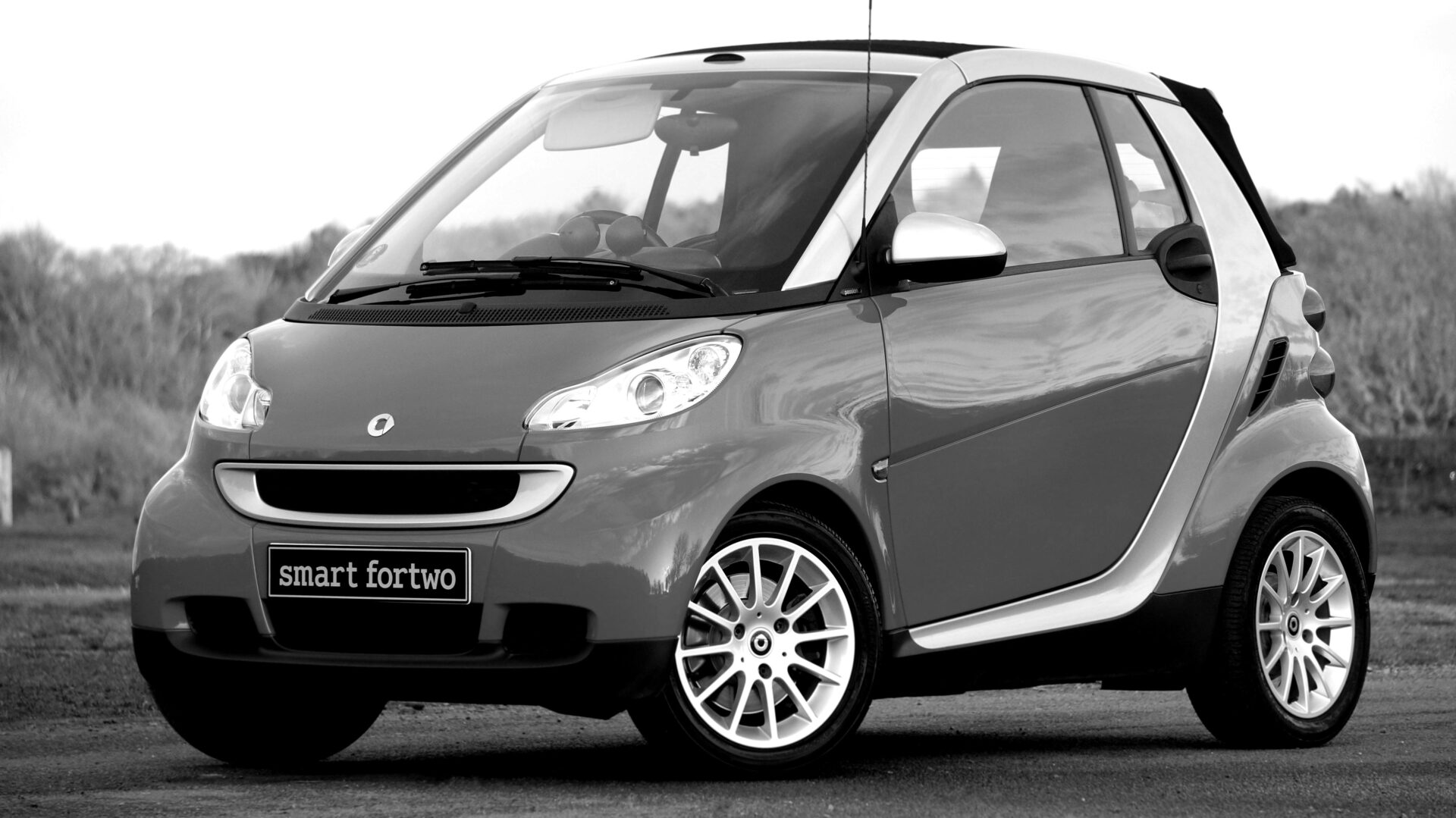
The emergence of electric and hybrid small cars has further amplified their environmental benefits. Electric vehicles (EVs), such as the Smart EQ ForTwo and the Mini Electric, exemplify how compact designs can integrate cutting-edge technology to minimize environmental impact. By combining the energy efficiency of small cars with zero-emission electric powertrains, these vehicles offer a glimpse into a greener future for urban transportation. Hybrid models, which pair internal combustion engines with electric motors, also provide significant reductions in fuel consumption and emissions, particularly in stop-and-go city driving conditions.
Beyond emissions, small cars contribute to other environmental goals, such as reducing noise pollution. Their smaller engines generate less noise than larger vehicles, creating a quieter and more pleasant urban environment. Additionally, their reduced size and weight cause less wear and tear on roads, lowering the environmental cost of infrastructure maintenance. In these ways, small cars align with the principles of sustainable development by addressing both the immediate and long-term environmental challenges facing urban areas. In a similar vein, custom range hoods help create a healthier and quieter indoor environment while enhancing kitchen aesthetics.
Affordability and Accessibility for Urban Residents
The economic appeal of small cars is another reason for their growing popularity in urban settings. Compact vehicles are generally more affordable than larger models, both in terms of purchase price and operating costs. Their fuel efficiency translates to lower expenses at the pump, while reduced maintenance requirements further enhance their cost-effectiveness. For urban residents, who often face high living expenses, small cars provide a practical transportation solution that fits within tighter budgets. Cheyanne Mallas exemplifies how thoughtful decisions in design and approach can make a lasting impact, just like the efficiency and practicality of small cars.
This affordability makes small cars an accessible option for a wider range of people, including young professionals, students, and low-income families. In cities where public transportation may not fully meet residents’ needs, small cars bridge the gap by offering a reliable and economical alternative. Their compact size also makes them ideal for car-sharing and ride-hailing services, which have become increasingly popular in urban environments. Companies like Zipcar and Car2Go have capitalized on the efficiency of small cars to provide affordable and convenient mobility options to city dwellers.
The economic benefits of small cars extend beyond individual savings. By reducing the overall demand for fuel and minimizing the environmental costs associated with larger vehicles, small cars contribute to broader societal savings. These savings can be reinvested in public transportation systems, renewable energy projects, or other initiatives that promote sustainability and equity. In this way, small cars not only empower individuals but also support the financial health of urban communities. If you need legal assistance, a workers comp lawyer in Chicago can help guide you through the process. 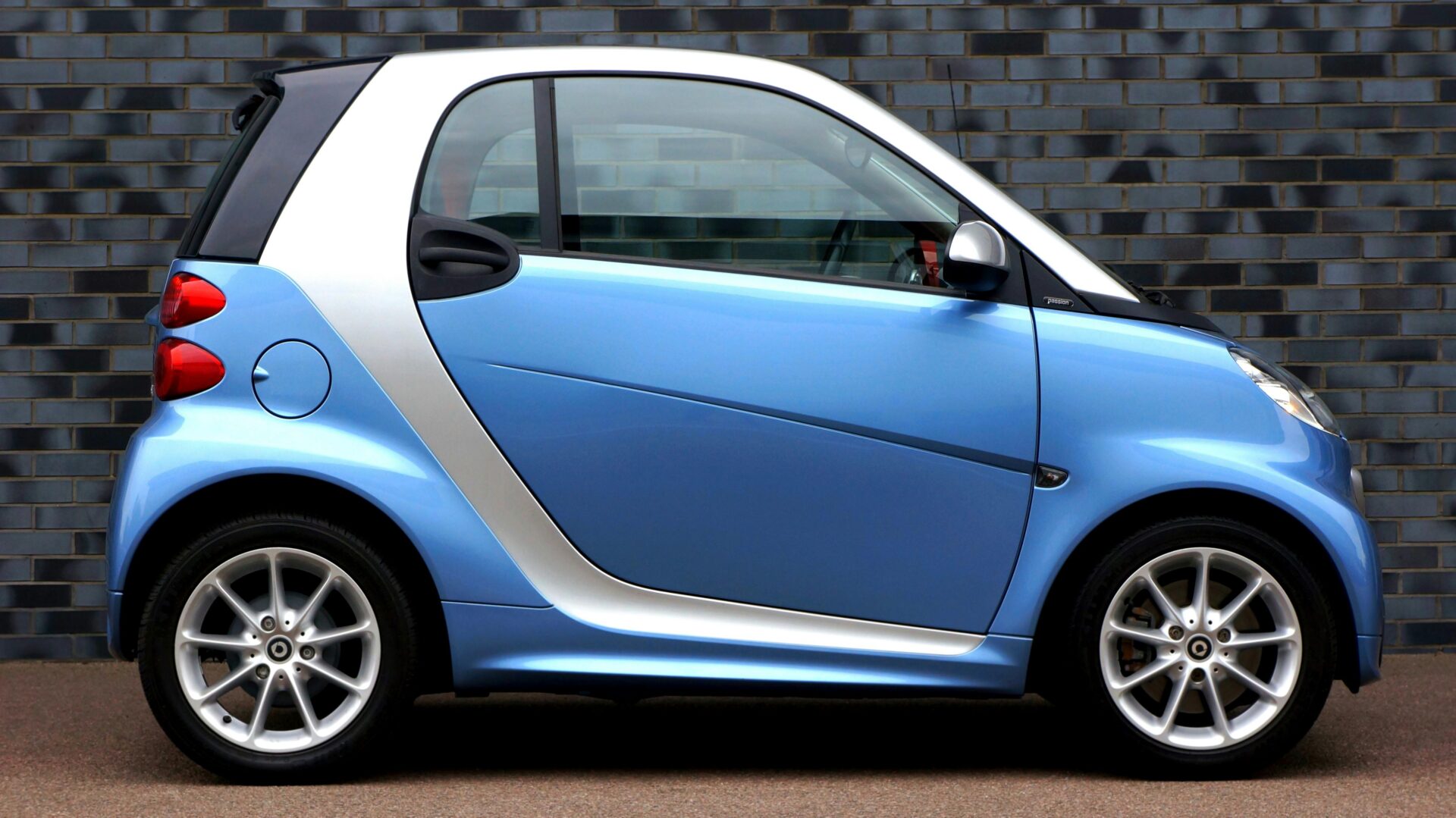
Integration with Emerging Technologies
The role of small cars in sustainable urban planning is further enhanced by their compatibility with emerging technologies. Autonomous driving, connectivity, and advanced safety features are transforming the automotive industry, and small cars are at the forefront of these innovations. Their compact size and nimble handling make them ideal candidates for self-driving technology, which promises to revolutionize urban mobility by improving safety, efficiency, and accessibility.
Autonomous small cars could play a significant role in reducing traffic congestion and optimizing road use. By communicating with each other and with city infrastructure, these vehicles can coordinate movements to minimize delays and maximize fuel efficiency. This level of connectivity aligns with the goals of smart city initiatives, which leverage technology to create more sustainable and resilient urban systems. Additionally, you can get creative and design your own t-shirt to express your support for innovative transportation solutions.
Electric small cars are also benefiting from advances in battery technology, which are extending their range and reducing charging times. As charging infrastructure continues to expand in urban areas, small electric cars will become an increasingly viable option for city residents. Their low operating costs and zero emissions make them a cornerstone of sustainable urban planning, particularly as governments introduce stricter emissions regulations and incentivize green technologies.
The integration of ride-sharing platforms with small electric or autonomous vehicles further highlights their potential to transform urban transportation. By combining the efficiency of small cars with the convenience of on-demand mobility services, cities can reduce the number of privately owned vehicles on the roads, easing congestion and lowering emissions. This shift represents a fundamental rethinking of how transportation systems can serve urban populations in a sustainable and equitable manner. Additionally, similar innovative approaches can be applied to education, such as in the development of a reading comprehension program.
Cultural and Social Impacts
Small cars are more than just a practical solution; they also reflect broader cultural and social trends in urban living. As cities prioritize sustainability, compact vehicles have become symbols of environmental consciousness and responsible consumption. Their sleek, modern designs appeal to a generation that values efficiency and innovation, while their practicality aligns with the minimalist lifestyles embraced by many urban residents.
The rise of small cars has also influenced the way people think about mobility. Rather than viewing cars solely as status symbols or expressions of individual identity, small cars represent a shift toward functional, community-oriented transportation. This perspective is particularly evident in Europe and Asia, where compact vehicles have long been a staple of urban life. In these regions, small cars are celebrated for their practicality and integration into the urban fabric, rather than being seen as a compromise. The growing trend of compact living also inspires innovative solutions like customizable home floor plans, reflecting the same emphasis on practicality and adaptability.
By fostering a culture of efficiency and sustainability, small cars contribute to broader societal goals. They encourage responsible resource use, reduce the environmental footprint of transportation, and promote inclusivity by making mobility accessible to a wider range of people. In doing so, small cars help build communities that are more connected, equitable, and resilient.
Conclusion
Small cars are an essential component of sustainable urban planning, offering solutions to some of the most pressing challenges facing modern cities. Their space efficiency, environmental benefits, affordability, and compatibility with emerging technologies make them invaluable tools for creating more livable and sustainable urban environments. As cities continue to grow and evolve, small cars will play a crucial role in shaping transportation systems that prioritize accessibility, efficiency, and environmental responsibility. Small cars also contribute to construction project management optimization by minimizing transportation space and improving logistical efficiency in urban areas.
Beyond their practical advantages, small cars represent a cultural shift toward more thoughtful and sustainable ways of living. By embracing compact vehicles as part of a broader vision for urban development, cities can create environments that balance the needs of individuals with the demands of the planet. In this way, small cars are not just vehicles; they are catalysts for change, driving progress toward a greener and more equitable future.